Tagged: RTTY

SDR# VDK: Create Your Own SDR# Plugins by Prompting an AI Coding Agent

Over on the Airspy groups.io forum, Youssef (prog), the developer of SDR#, has announced the release of the SDR# VDK (Vibe Development Kit). The VDK is meant to let anyone create SDR# plugins with AI coding agents like Claude Code or ChatGPT Codex, without needing to be a programmer.

The kit includes a working plugin template, the SDR# API documentation, DSP primitives, and a set of instructions that teach the AI agent the coding practices Youssef uses in his own plugins. You unzip the VDK on a Windows PC, point the agent at the folder, and describe the plugin you want. The agent then writes the code, builds it and deploys the plugin into your local SDR# install.

To demonstrate it, Youssef had an AI agent produce a working DRM receiver plugin from a single prompt. In a second video, ChatGPT built a DAB/DAB+ plugin in about 20 minutes. Youssef notes that AI-written code still needs testing. The VDK is available as a zip file from the Airspy website, and plugins built with it require the latest SDR# build.

Forum members have already started sharing what they've made. Loyd Van Horn (W4LVH) from DX Central has released a clock plugin on GitHub that shows UTC and/or local time, and adjusts its layout depending on where it is docked. A user called bear has made an auxiliary VFO plugin called 'SecondVFO', and multiple copies of it can be run at once. PW00X has also shared a modified version of the DAB/DAB+ demo plugin, which adds a favorites list and automatic tuning.

Other users have posted results but haven't released their plugins yet. Edward MacDonald built an MCP server and connector plugin that lets Claude control SDR# directly, view the spectrum and work with the I/Q and audio streams. As a test, Edward asked Claude to find all local FM broadcast stations and list their names, frequencies and SNR values. Craig_H created an L-band ACARS decoder for the 600, 1200 and 10500 bps channels with a single Claude prompt, and TheP111 reports getting a working RTTY decoder plugin out of Claude Code in 15 minutes. Roberto Cipriani has replaced the old 32-bit SimpleDMR plugin with a VDK-built version and plans to do TETRA next. Youssef himself is currently using the VDK to write a DVB-T/T2 decoder from scratch.

We gave the VDK a test ourselves and had it code up a wideband FFT sweeper by giving Claude Opus 5.5 a simple plain english prompt "Make a plugin that allows us to view a wider spectrum, by rapidly sweeping across the spectrum". Claude prompted us to install the .NET 10 SDK, and then it created, compiled, and installed the plugin all on its own, giving a working result after only 10 minutes.
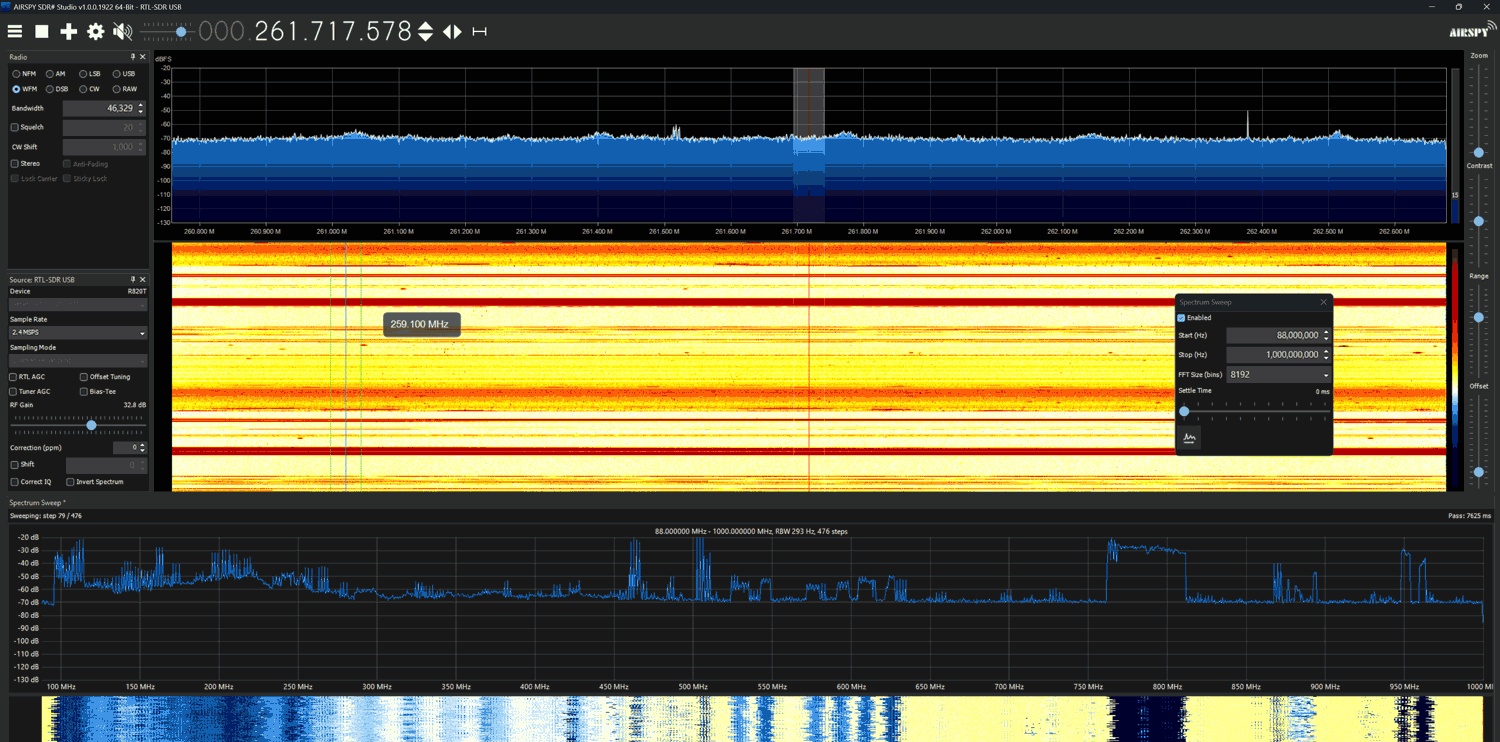
SDR# VDK: Wideband FFT Sweep implemented by Claude Opus 5.5 in 10 minutes.
Airspy VDK Demo - DRM Plugin

SDR# VDK One Liner Demo

AI Disclaimer: The VDK is designed for building SDR# plugins with AI coding agents, and the plugins mentioned in this post were created with AI agents.
VKVSkimmer: A Free CW and RTTY Skimmer for RTL-SDR, SDRplay and Icom IC-7610 / IC-7760

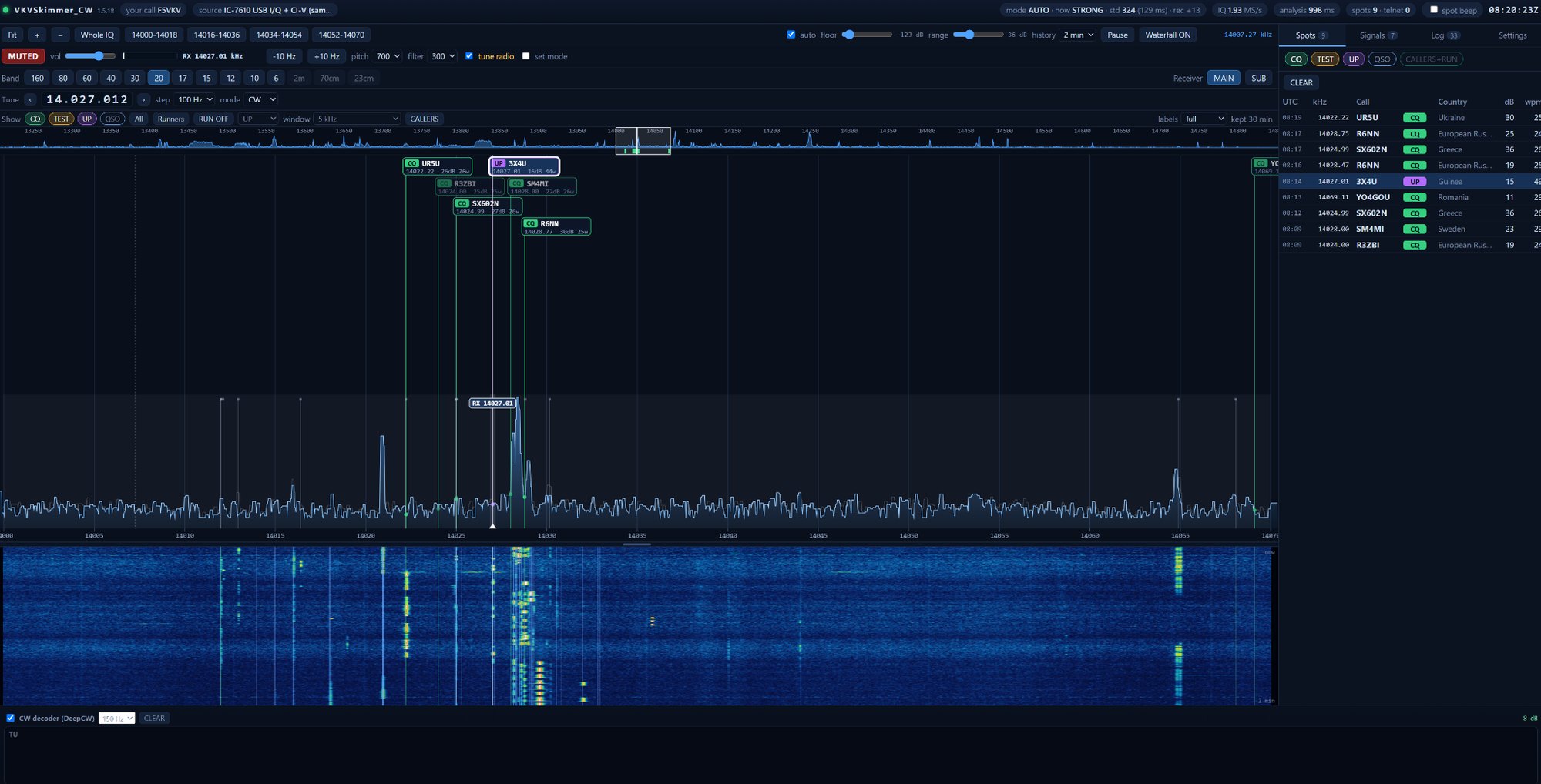
Fabio (F5VKV) has written in to share VKVSkimmer, a newly released free CW and RTTY skimmer for Windows. A skimmer decodes every CW or RTTY signal in the received bandwidth at once and publishes the callsigns it hears as spots, which contesters and DXers then use to find stations.

VKVSkimmer works with an RTL-SDR through rtl_tcp, an SDRplay RSP, or the I/Q output of the Icom IC-7610 and IC-7760. CW decoding uses the neural-network-based DeepCW decoder from VE3NEA, with a Viterbi decoder as a second opinion. To keep busted calls from being published, callsigns are checked against cty.dat, Super Check Partial and, optionally, live Reverse Beacon Network (RBN) spots. The software has a browser-based GUI with a spectrum, waterfall and spot list. It also includes a built-in telnet cluster for N1MM+, DXLog or any telnet client, spectrum output to N1MM+, and output to the RBN Aggregator.

VKVSkimmer is free, with no licence or registration required. Note that receiving HF with an RTL-SDR needs a dongle with HF support, such as our RTL-SDR Blog V4L, or the V3 in direct sampling mode. Screenshots and the download are available on the VKVSkimmer website.

VKVSkimmer GUI
VKVSkimmer GUI

Clever Quest Lab: Free Browser-Based Decoders for RTTY, Weather Fax, SSTV, NAVTEX, APRS and More

Thank you to Simpli for writing in and sharing a set of free radio decoders that run entirely in the browser. There are pages for Morse, RTTY, PSK31, SSTV, weather fax, NAVTEX, APRS and the DCF77/MSF time signals, plus a signal identifier that tries to name an unknown mode and links to the matching decoder.

Audio can come from your SDR program via a virtual audio cable, a microphone, a WAV or MP3 recording, or a WebSDR playing in another browser tab (this needs a desktop browser with screen sharing), so no hardware is needed to try them. Simpli tested them on DWD RTTY on 4583 kHz and DWD weather fax on 3855 kHz via the Twente WebSDR, as well as on live PSK31 and an ISS SSTV recording in PD120 mode.

Simpli writes:

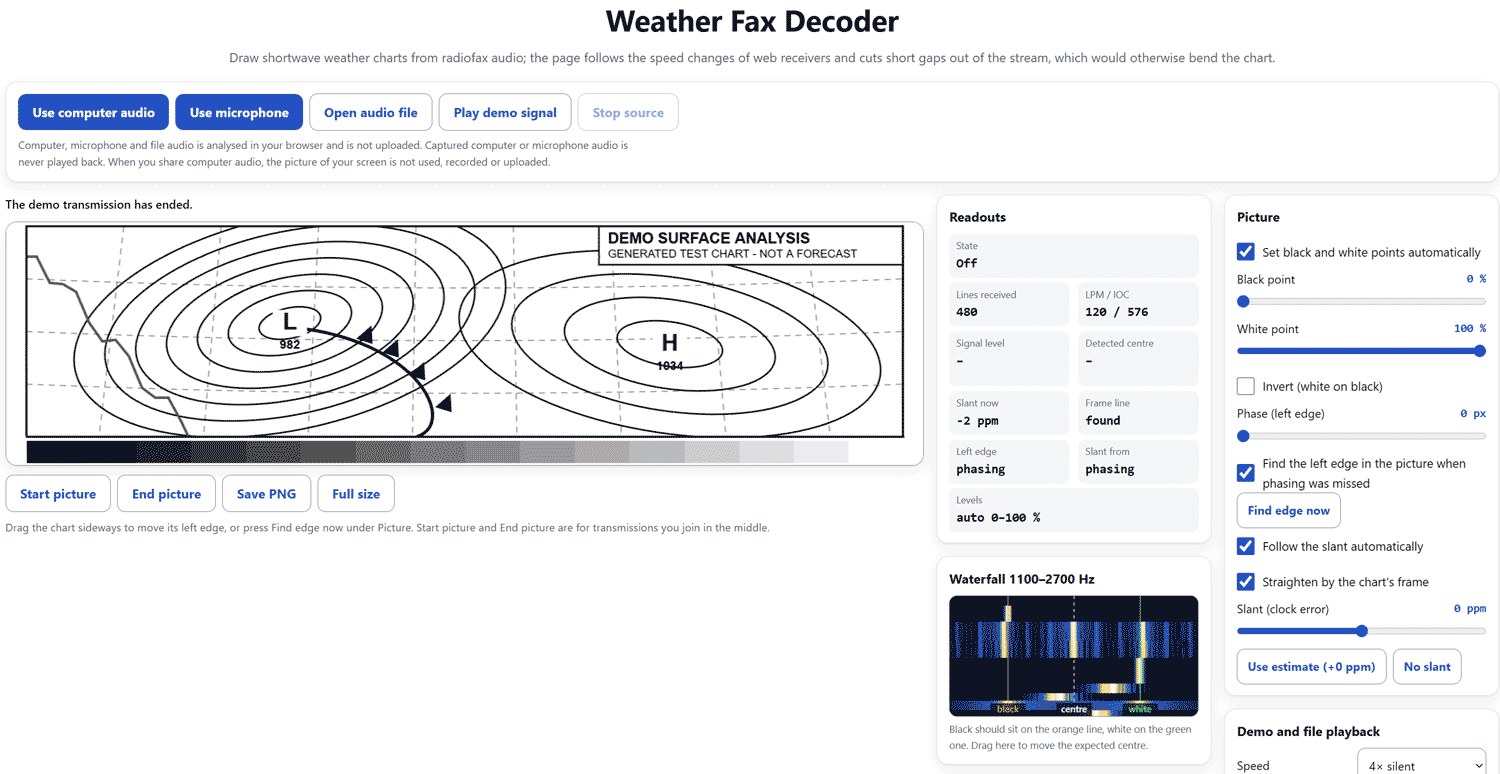
A detail you might find interesting: the WebSDR player inserts 128 zero samples about once a second, and its playback speed wanders by up to half a percent. That's enough to tear a fax picture apart. The fax decoder cuts those gaps out and tracks the speed from the white tone, so the chart comes out straight. The RTTY page also switches to reversed polarity by itself when it sees too many framing errors.

All decoding happens locally with nothing uploaded, and the tools are free with no sign-up. This is similar in spirit to OFFgrid-SDR, which we just posted about, as both run in the browser and can automatically identify a mode. However, OFFgrid-SDR connects directly to an RTL-SDR via WebUSB and is open source under the GPLv3, while Clever Quest Lab's decoders work on audio from any receiver and do not appear to be open source.

Clever Quest Web Browser Weather Fax Decoder

SDROxide: A New SDR Client for HAMs and SWLs written in Rust

Thank you to Josef (OE3JJS) for writing in and sharing with us the release of his new open-source software called SDROxide, an SDR client designed for HAMs and SWLs (short-wave listeners), written in Rust. The software supports Linux, Windows, macOS, and also has a web client. As it supports SoapySDR, RTL-SDR dongles are supported for RX. Josef writes about SDROxide:

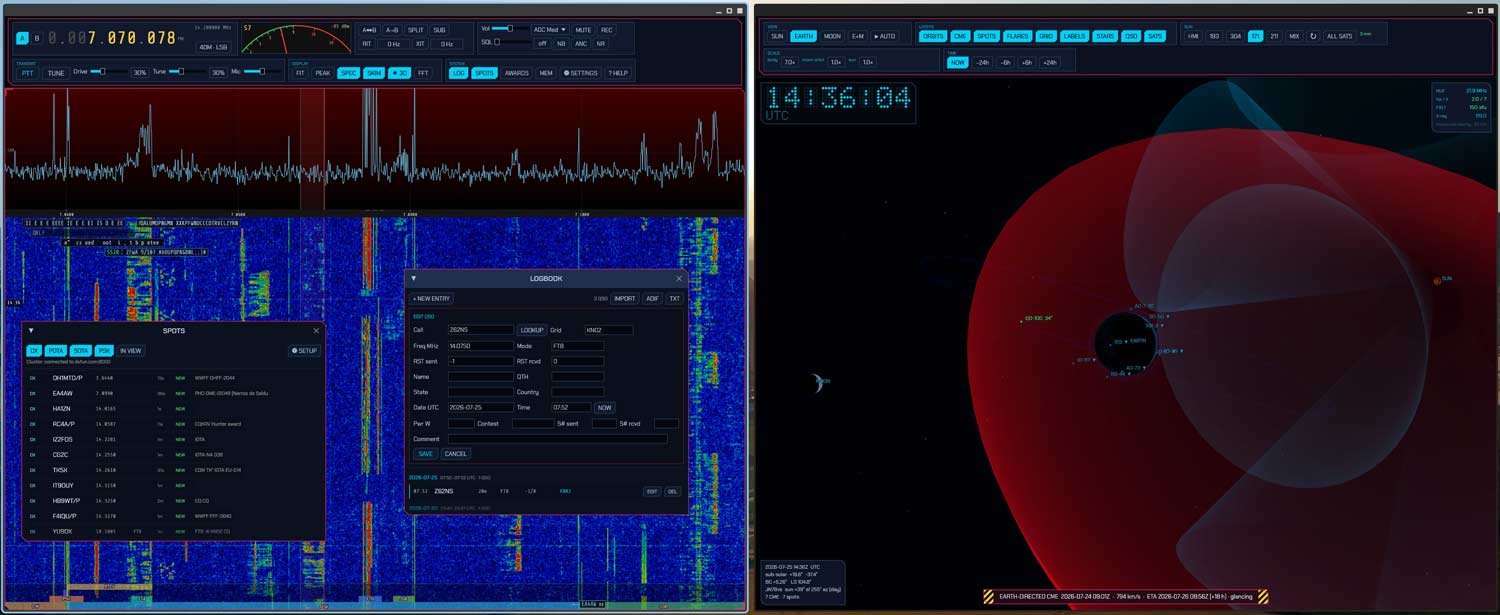
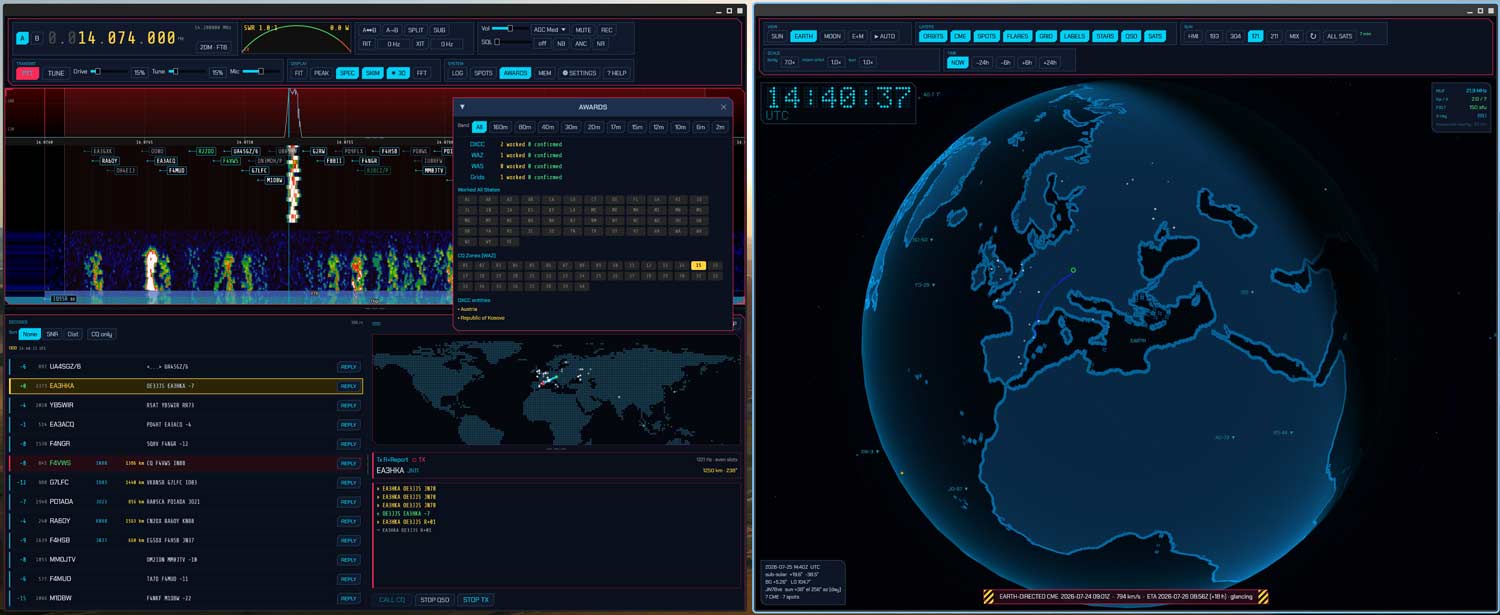
It's a completely new project written in Rust, supporting many SDR interfaces (CAT/Audio, CAT/IQ, SoapySDR, HPSDR, TCI) and with loads of features built in that used to require extra programs: FT8/FT4, SSTV, RTTY, PSK, OLIVIA, THOR, FSQ, a CW/RTTY/PSK skimmer, there's dx cluster and sota/pota spotting, a logbook with integrations for QRZ.com, HamQTH, eQSL, LoTW, there's neural-network noise reduction, a 3D "hamclock" that visualizes QSOs, satellites, Aurora, CME cones, with up-to-date images of the sun's surface, and you can run the client locally, remote with native binary, or remote via the web (WASM).

Josef notes that the project is fully open-source and available on GitHub.

SDROxide: SSB Workspace
SDROxide: FT8 Workspace

AI-Disclaimer: The author notes the use of local and hosted LLMs in the development of this software.

Testing the ATS25 Max-Decoder Receiver

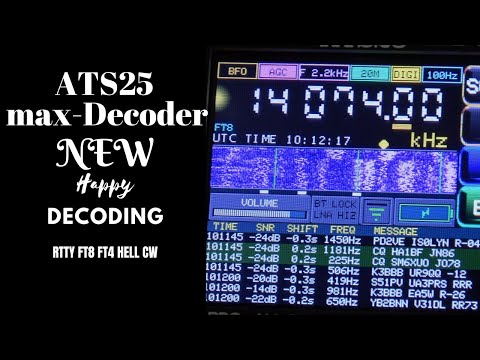
Thank you for Manuel Lausmann for submitting his videos where he tests out and upgrades an ATS25 Max-decoder receiver. The ATS25 Max-decoder is a low cost portable HF receiver which has a large number of decoders built in such as RTTY, Hell, FT8 and FT4. Manuel notes that more decoders are still to come, such as SSTV. The built in decoders make it superior to it's predecessors the x1 and x2.

We note that the ATS25 Max appears to be around US$75 on Aliexpress, but these appear to be Max units without the "-decoder" add on. So if you are looking at purchasing one, please make sure to check that you are getting one with the text "max-decoder".

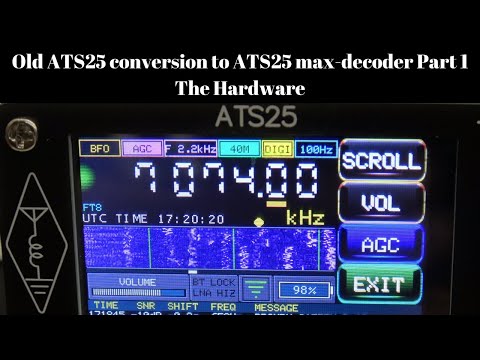
Manuel also notes that older models of the ATS25 can be retrofitted with a decoder PCB and converted into an ATS25 Max-decoder with a firmware update written by Bernhard Binns.

Note that Manuel's videos below are narrated in German, however the YouTube subtitle auto-translate feature works well enough to understand what is being said. In the first video Manuel demonstrates and reviews the ATS25 Max-Decoder, showing off some of the decoding features.

In the second video Manuel shows how to update an old model ATS25 in to the ATS25 Max by soldering on the decoder board.

Alter ATS25 umbauen zum max Decoder Teil 1 Die Hardware

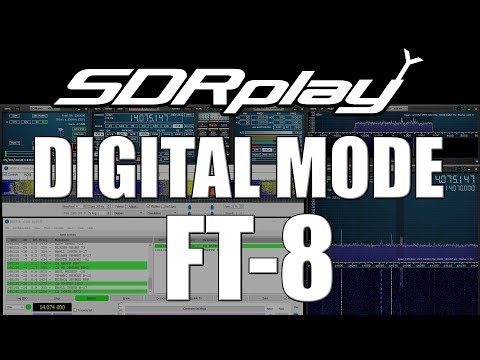
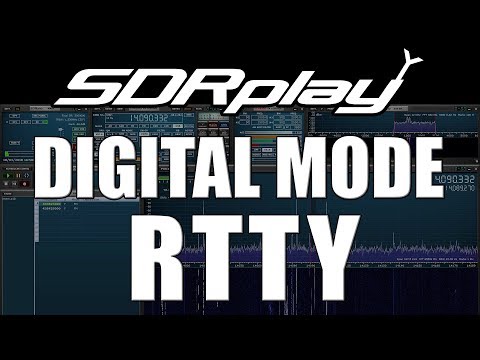
Video Tutorial on Decoding FT-8 and RTTY with an SDRplay RSP1A

Over on YouTube radio content creator Techminds has recently started a series that shows how to decode various signals using an SDR such as the SDRplay RSP1A. The first video explains what FT-8 is and shows how to decode it using the WSJT-X software. FT-8 is a modern digital HF ham mode that is designed to be receivable even in weak signal reception. However, the amount of information sent in a FT-8 message is small, so it is not possible to have a full conversation, and you can only make contacts.

In his second video Tech Minds explains RTTY and also shows how to decode it. RTTY is another much older mode that is used by the military as well as hams. To decode it he uses Digital Master 780 which is a program included in the Ham Radio Deluxe software.

Decoding FT-8 With WSJT-X And A SDRplay RSP1A SDR Receiver

Decoding RTTY With Digital Master And A SDRplay RSP1A SDR Receiver

New Demo of the Upcoming Spyverter Upconverter

The Spyverter is a new high performance upconverter that is being developed by the team behind the Airspy software defined radio and the SDR# software. It is designed to be used together with the Airspy, but it should also be compatible with other SDRs as well. The main claimed advantages over other upconverters will be it’s low loss and high IIP3 performance, which means that the Spyverter will not saturate in the presence of strong signals as easily as other upconverters.

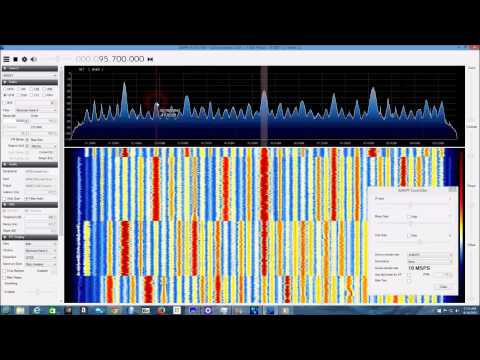
Recently W9RAN, who is involved in the design and testing of the Spyverter uploaded some demo videos of the Spyverter + Airspy combo in action. The first video shows how the Spyverter when used together with the Airspy and SDR# allows for seamless tuning between VLF, HF through to VHF/UHF (no need to set any offsets).

Seamless tuning of SDR# with AIrspy & Spyverter

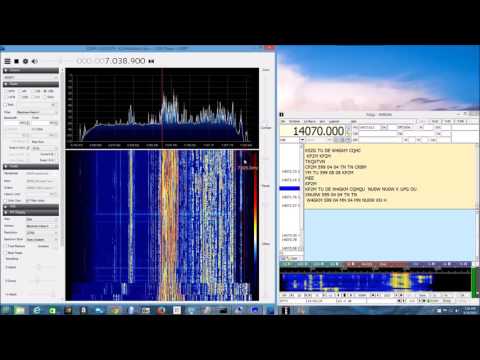
The next video shows the Spyverter + Airspy combo working during a RTTY contest on 40M with very densely packed signals, some of which were very strong.

W9RAN demo of Spyverter in 40 meter RTTY contest

W9RAN (ranickel on YouTube) also has additional Spyverter + Airspy videos on YouTube for viewing if you are interested.

Receiving Weather RTTY and FAX with the RTL-SDR

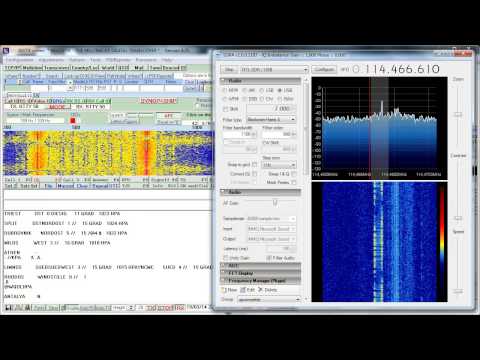
YouTube user Tiago Sousa shows how he was able to receive weather Radioteletype (RTTY) data using the RTL-SDR, an upconverter and MultiPSK. Weather RTTY is broadcast by weather services such as the Deutscher Wetterdienst (DWD) which is broadcast from Hamburg, Germany. It is intended for people at sea.

Tiago used an RTL-SDR with upconverter and an 11 meter long wire antenna. For the software he used SDR# and piped the audio to MultiPSK.

Weather RTTY - DWD Hamburg heard in Portugal

Tiago has also uploaded a second video showing him receiving Weatherfax with the same setup. Weatherfax is a signal that transmits a fax image showing weather patterns.

Weather Fax - DWD Hamburg heard in Portugal