Exploring the Privacy Risks of Tire Pressure Monitoring Systems with RTL-SDR
Tire Pressure Monitoring System (TPMS) privacy concerns are a topic that comes up every now and then. Most modern vehicles have wireless tire pressure sensors that communicate with the vehicle's computer to alert the driver when tire pressure falls below a safety threshold.
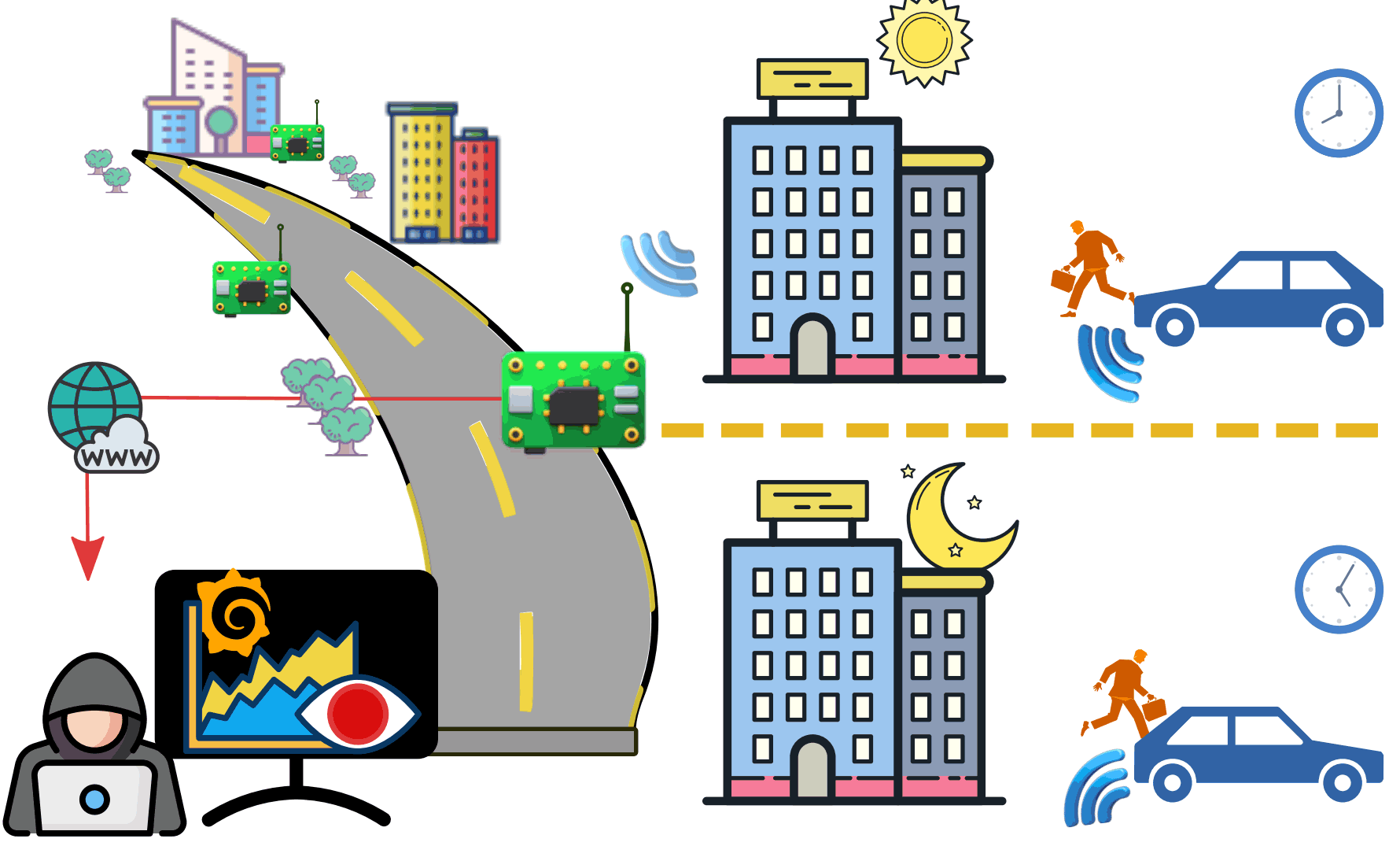
The privacy issue is that these TPMS sensors each transmit a unique identifier, so the computer can know which tire is being measured, and not read other vehicles' sensors by mistake. As TPMS is not encrypted in any way, anyone with an RTL-SDR or other similar radio can receive and decode TPMS messages, including the unique identifier. This raises privacy concerns as this can be used to log the presence and movement of individual vehicles.
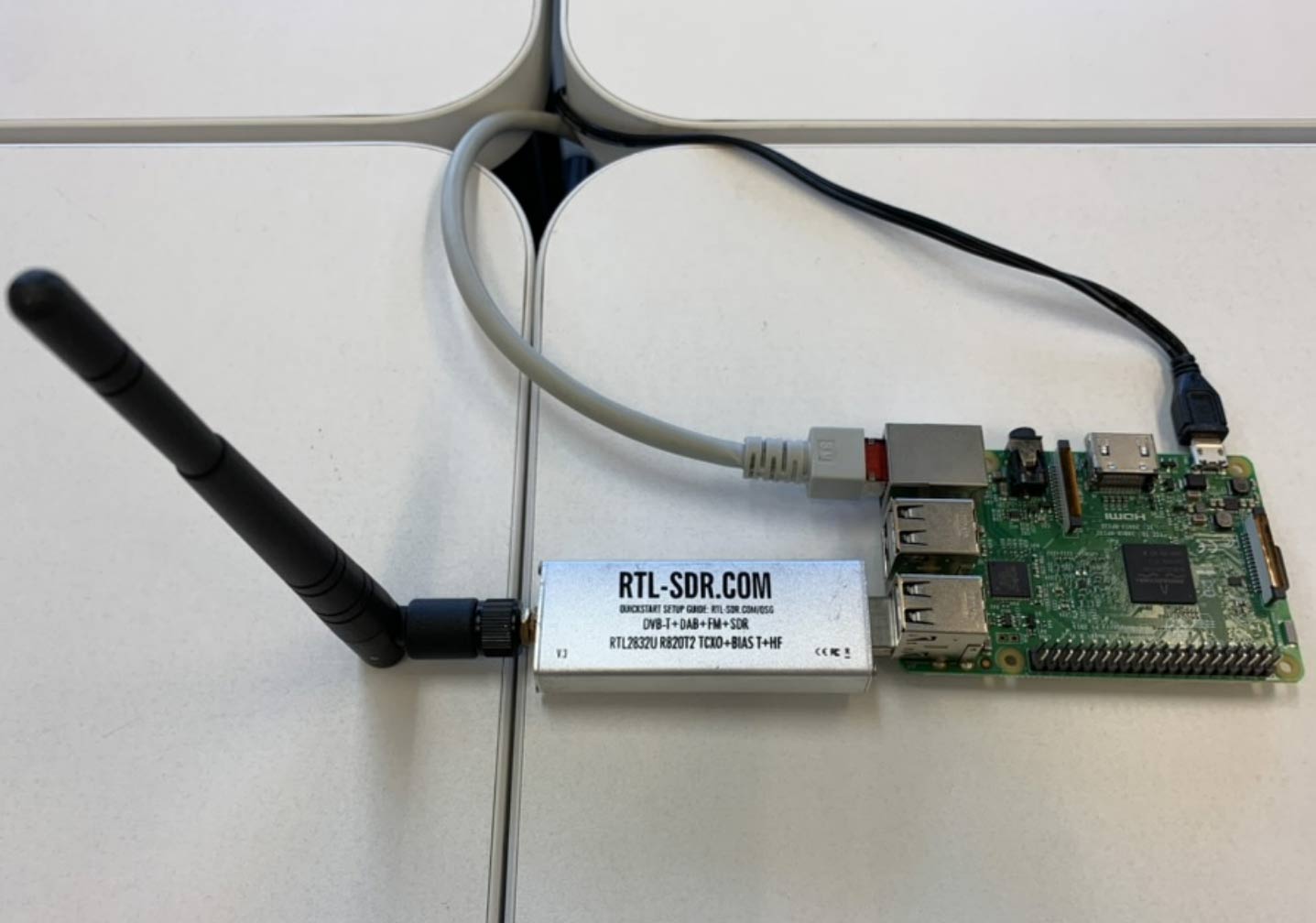
A recent academic paper by university researchers showed how researchers deployed simple RTL-SDR + Raspberry Pi-based receivers along a road over a period of 10 weeks. They showed that TPMS transmissions can not only be used to identify, track, and detect the presence and daily routines of individual vehicles, but also to determine the type and weight of the vehicle via pressure readings. Interestingly, they also note that variations in the weight of an identified vehicle could indicate, for example, whether a truck is loaded or unloaded, or whether there are additional passengers in a car.
The researchers highlight privacy concerns, noting that such data could be collected and sold by data mining companies without the driver's knowledge.





























Some TPMS sensors now use Bluetooth. Tesla made the switch several years ago, not sure what other cars have.
Those sensors are a disaster with failures after only 2 years in many cases. I highly doubt (but don’t know) that Tesla used a version of bluetooth that uses any sort of MAC rotation or etc.
The best way to track tire pressure is by tire rotation IMO, despite the inability to measure absolute pressure with this method. Tire pressure alone is not sufficient information. With rotational measurement (assuming you are running 4 tires of the same type and size), you get relative pressure between tires, you can detect a severely worn tire (say you have an alignment issue or damaged tire causing rotational difference), and you don’t have to deal with the ridiculous cost (especially after corona) of having those confounded TPMS sensors serviced and replaced!
Tpms sensors dont send weight of car ( some do) , only pressure and temperature of gascompound in tire. And range is only max 100 foot, sometimes with traveltrailer there has to be a repeater.
So the privacy-risk is exagerated here.
I would be more concerned about the internet comunication in newer cars, where even the rusians can follow a specific car in the US.
The privacy risk is absolutely not exaggerated, I’ve been logging TPMS sensor ID vs GPS location in my car for years. I’ve also been logging TPMS which pass by my condo (as well as other wireless MAC) which means I usually know whether the neighbors are home or not.
I don’t know why you would be worried about russians specifically, all world governments are the same… A greater concern is the corporations and what they do with your wireless information (monetize it in any way possible).
The smartest thing to do with wireless devices such as these is to simply not use them, unless you prefer to be monetized corporate livestock.
Big deal, I use my window to know if my neighbors are home.