Tagged: helix antenna

Receiving Elektro-L3 LRIT Weather Satellite Images with an 11-Turn Helix Antenna and No Dish

Typically, a satellite dish is used to receive Elektro L3. As an example, our 70cm diameter Discovery Dish with linear feed can do this easily, and achieve an SNR of about 5-6 dB. However, as Meti shows, it is possible to receive this satellite even without a dish, and as he shows, an SNR of 1.5 dB is sufficient for decoding a perfect image.

Meti's antenna is an 11-turn RHCP helix made of copper wire, with a 17 x 17cm ground plane. In his post, he also notes a few interesting findings, noting that the height of the antenna off the ground is critical, rotating the helix can help, interference from cell towers can cause issues, and bending the corners of the ground plane can help.

In the rest of the post, Meti also shows how well the helix antenna works at receiving weather satellite signals from polar orbiting L-Band satellites like Meteor M2-3.
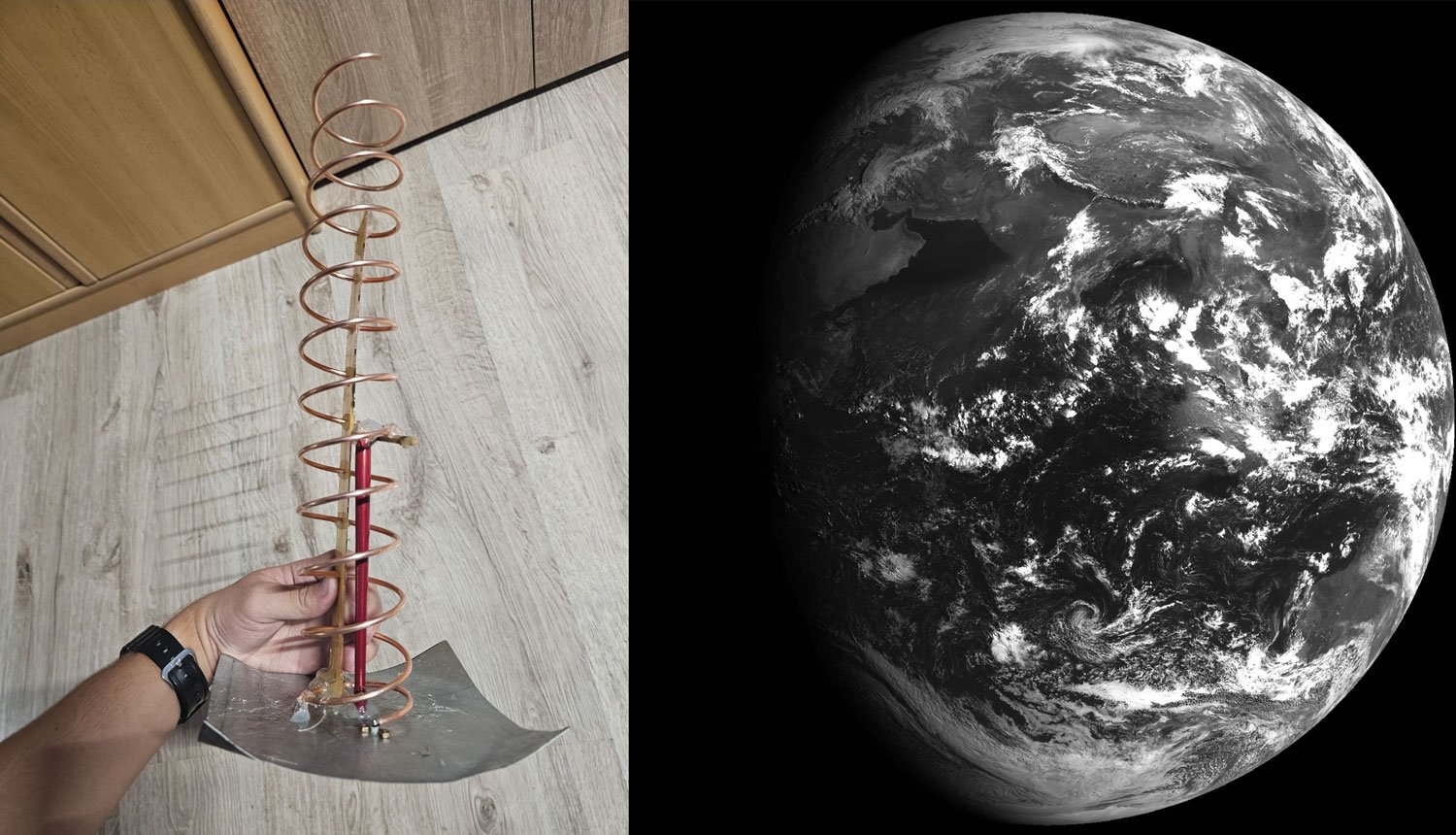
Meti's 11-Turn RHCP Helix Antenna

Building a Wideband Helix Antenna for L/S/C Bands

Over on YouTube user Adam Alicajic (creator of the popular LNA4ALL low noise amplifier) has uploaded a video showing the performance of a home made wideband helix antenna that he has created for receiving signals such as ones from L-Band Inmarsat satellites. See our tutorial for more information on receiving Inmarsat signals.

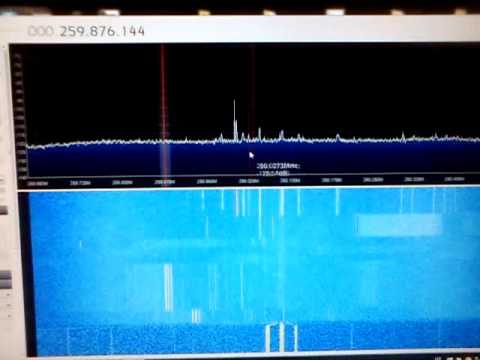
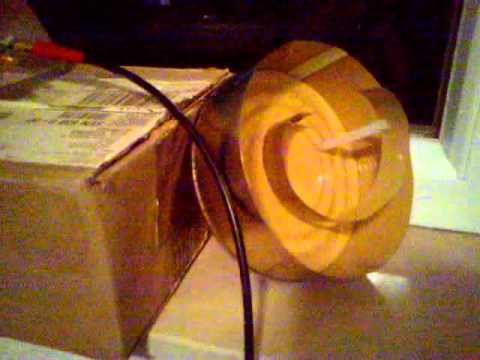
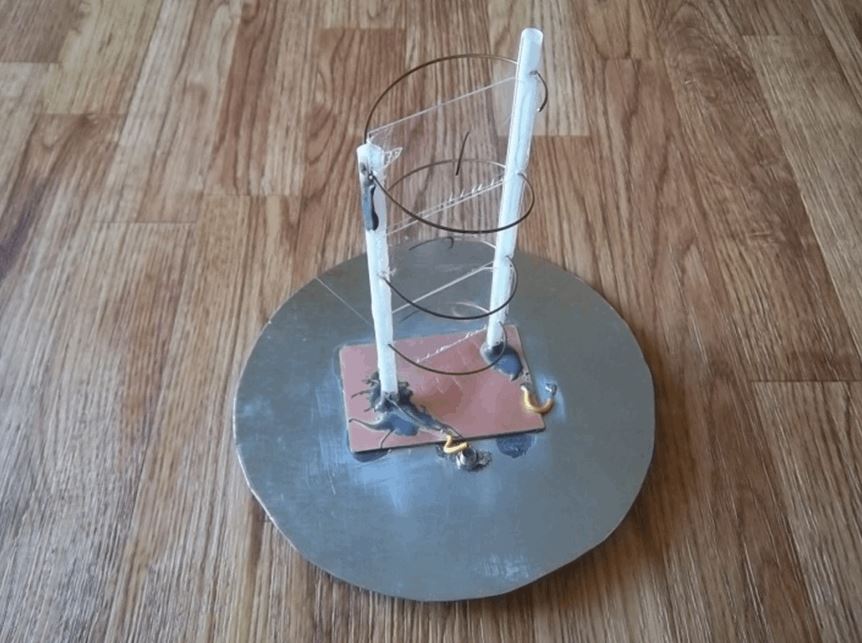
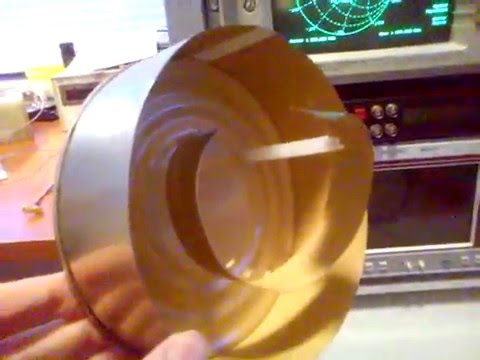
Adams helix antenna is built out of an old used can and is based on a 1.1 turn design. In the first of three videos he shows that the SWR of the antenna is all well below 2.0 from 1.5 GHz to 3 GHz. In the second video Adam shows the performance of the helix antenna on actual L-band signals being received with an RTL-SDR dongle. In the final video Adam compares the helix again a patch antenna and finds that the two receive with very similar performance.

Wideband L/S/C band helix antenna Part.1

Wideband L/S/C band helix antenna Part.2

Wideband L/S/C band helix antenna Part.3

Building an L-band helical antenna for Inmarsat

Previously in August of this year we wrote an article showing how to decode Inmarsat satellite STD-C NCS EGC messages with an RTL-SDR. Inspired by this article, RTL-SDR.com reader Mario Filippi, N2HUN has written in to show us how he built an L-band helical antenna to receive these signals. A helical antenna is one of the better choices for receiving Inmarsat signals as it will provide higher gain when compared to a patch antenna, however the disadvantage is that it is much larger. Of related interest, Adam 9A4QV also recently showed us a video detailing the correct dimensions for building an air gap patch antenna.

Mario’s Inmarsat antenna consists of a 90cm Ku band dish, a homebrew L-band LHCP helical antenna and an inline amplifier. He used the assembly instructions found on UHF Satcom’s page at http://www.uhf-satcom.com/lband and scavenged most of the parts from his junk box. To help others with the construction of a similar antenna Mario has also created a document detailing the construction of the antenna with several useful build images (.docx file).

Helical Inmarsat antenna feed for a 90cm Ku band dish

Mario has also recently given a presentation about the RTL-SDR to the Mid Atlantic States VHF Conference entitled “SDR Dongle for VHF/UHF Reception”. The presentation is an overview of the RTL-SDR dongle and many of its interesting applications, including several screenshots of software in action (dropbox) (mega mirror).