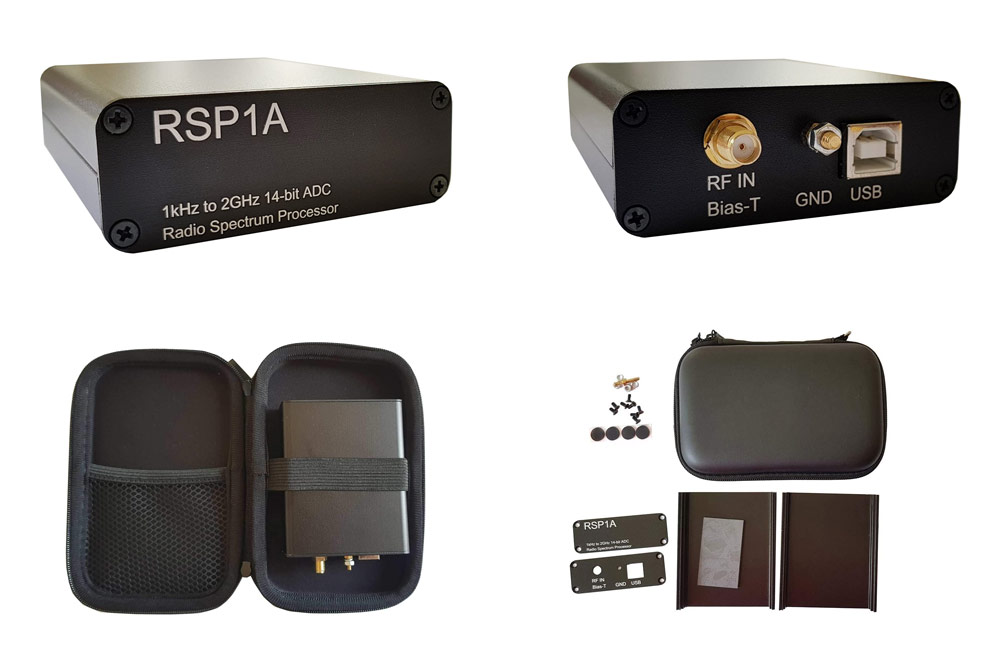
We just wanted to note that after a few months delay due to a missing shipment carton which has just been found, the SDRplay RSP1A Enclosure Upgrade set is back in stock at Amazon for US customers. We also have stock available in our store and affiliated marketplace sites for non-US customers.
This is a premium aluminum metal upgrade enclosure for the SDRplay RSP1A. Helps block RF interference and protects the RSP inside the sturdy enclosure. We don't make batches of this enclosure often, and this batch could be the last if demand dwindles, so if you are interested please order before stock runs out for good.
The kit includes 1x black aluminum metal enclosure with two labelled side panels, 1x black semi-hardshell carry case, 1x thermal pad to keep the RSP1A cool and mechanically stable inside the enclosure, 1x accessory set including enclosure screws, GND lug bolt set and 3M anti-slip rubber feet.
Please note that the set does not include the RSP1A.
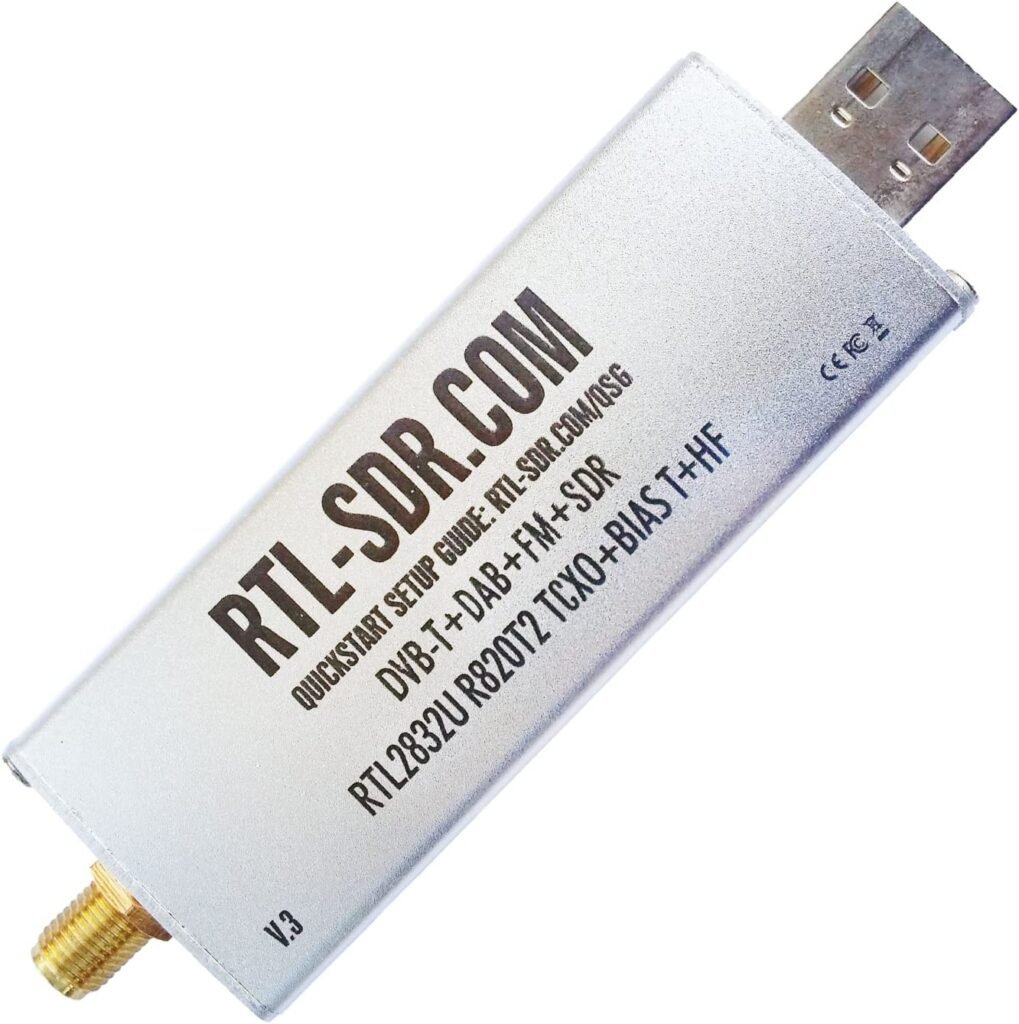
This is just a quick note to say that the RTL-SDR Blog V3 silver dongles are back in stock at Amazon USA after having taken a bit longer to arrive than usual. Currently only the individual dongle and separate multipurpose dipole antenna sets are in stock, and we expect the dongle+antenna bundled sets to be back in stock in January 2023.
International customers can continue to order from our webstore and associated marketplaces via our store page at www.rtl-sdr.com/store.
RTL-SDR Blog V3 (Silver)
Upcoming 2023 Black RTL-SDR Blog V3 Dongles (Cosmetic Redesign)
We also want to give a heads up and note that in the next few months you might start seeing black RTL-SDR Blog V3 dongles in our stores, marketplaces and resellers. Going into 2023 we will be making a cosmetic change to our dongles (note that there is no changes to the highly tuned circuitry). There are two reasons for this cosmetic change.
The first is to try and better differentiate our original product from all the clones that have been popping up recently. Manufacturers of fake RTL-SDR Blog V3 clones have been getting closer and closer to copying our external design exactly. The internal circuitry of the clones however have often been poorly implemented, with broken features and poor performance. This results in a higher support burden, and damage to our brand when the clones inevitably perform poorly.
The second reason is for regulatory compliance with the FCC. Devices like this must have a FCC regulatory statement printed on the body, we have to add the UKCA logo for Brexit UK, and increase the size of the compliance logos as well. Moving forward this will eliminate any possible regulatory problems with Amazon or bulk imports, which are becoming stricter every year.
The new enclosure design uses a special black plating that like our silver models retains full electrical conductivity (normally electrical conductivity is not possible with most black plating's, but we investigated many solutions and finally found an appropriate one). Maintaining electrical conductivity ensures that shielding of the circuitry from interfering signals works properly. The text is also laser etched on, ensuring that it cannot be erased.
New black redesign of the RTL-SDR Blog V3 dongle. Coming in 2023. (Front)New black redesign of the RTL-SDR Blog V3 dongle. Coming in 2023. (Rear)
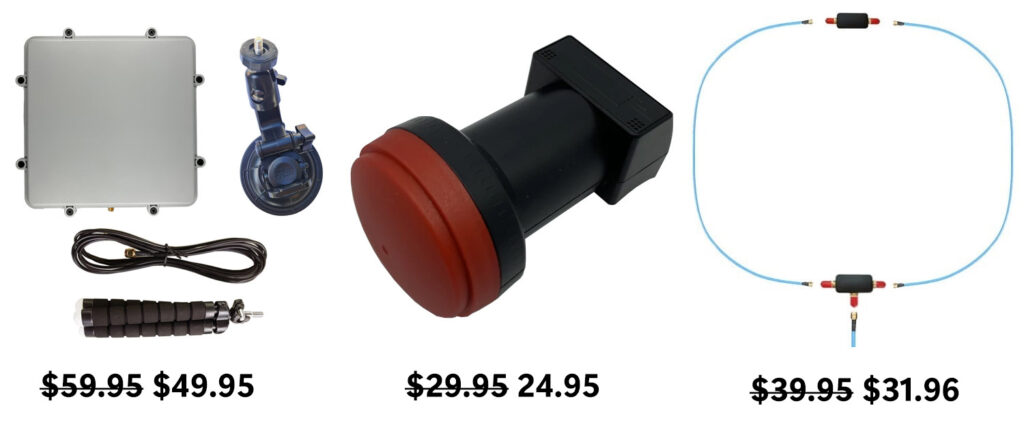
This Black Friday we are offering a discount on our L-Band Patch, Bullseye and YouLoop antennas in our store and marketplace listings! The sale will run until the end of November.
Our L-Band patch is an active design for receiving L-band satellites such as Inmarsat, Iridium, GPS and other satellites that transmit between 1525 - 1660 MHz (please note that you cannot use it for weak signals that require a dish like HRPT or GOES).
The Bullseye LNB is a TCXO stabilized LNB for the QO-100 geostationary amateur satellite and other Ku-band satellites.
The YouLoop is a super portable passive HF/VHF loop antenna designed for super low NF/MDS receivers like the Airspy HF+ Discovery.
L-Band Patch Antenna: US $59.95 $49.95
Bullseye LNB: US $29.95 $24.95
YouLoop: US $39.95 $31.96
Pricing includes free shipping to most countries. Please note that pricing does not include VAT and/or taxes which may be added for your country.
Airspy is holding their annual Black Friday sale, this year offering 20% off their range of products. The sale is active at all participating resellers, which includes our own store where we have the YouLoop on sale for US$31.96 including free shipping to most countries in the world, instead of the usual US$39.95. Please note that due to EU VAT collection laws, EU customers must purchase the discounted YouLoop from our eBay or Aliexpress stores.
The YouLoop is a low cost passive loop antenna for HF and VHF. It is based on the Möbius loop design which results in a high degree of noise cancelling. However the main drawback is that it is a non-resonant design, which means that it works best when used with ultra sensitive receivers like the Airspy HF+ Discovery.
During the sale the price of Airspy SDRs and their upconverters are:
Airspy R2: $160.00 $135.20
Airspy Mini: $99.00 $79.20
Airspy HF+ Discovery: $169.00 $135.20
Airspy SpyVerter: $49.00 $39.20
Contrary to what the politicians are telling you, the real inflation is most likely around 20%. We arranged a real Inflation Relief #BlackFriday offer for you. No money printing. No strings attached.
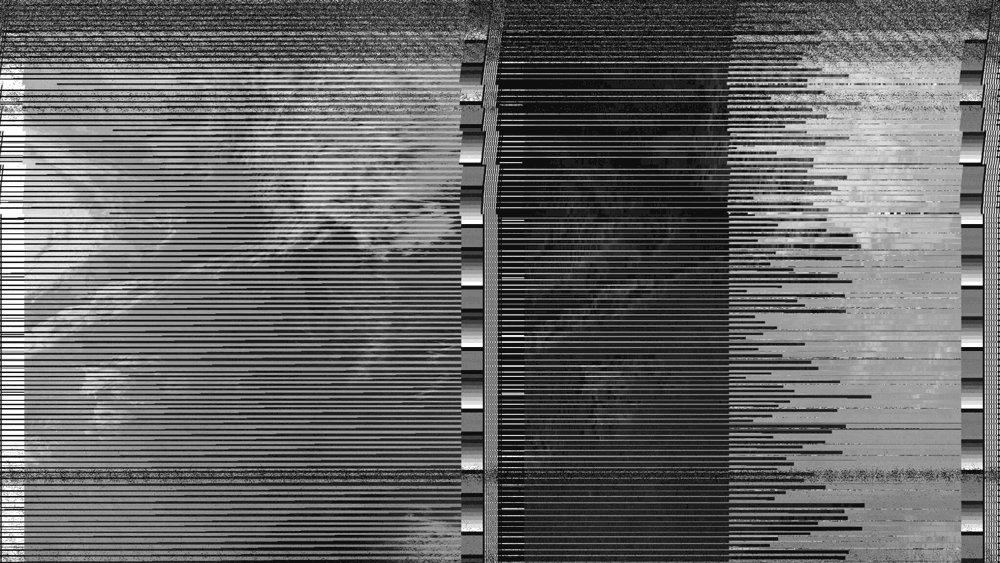
In his post Carl discusses in detail the technical aspects of the AVHRR Scan Motor failure, shows plots of the AVHRR motor current increasing, provides multiple examples of corrupt images being recently received and notes the history of previous failures which were eventually resolved.
He also notes that even with the AVHRR failure the other sensors on the satellite will remain functional, however a failure of this instrument would mean the end of the easy to receive APT images at 137 MHz from NOAA-15. We note that there is still the opportunity to receive NOAA-18 and NOAA-19 which are the remaining operational satellites that transmit APT at 137 MHz.
NOAA have now also released an official notice about the failure which reads:
Product Outage/Anomaly: NOAA-15 AVHRR degraded image data issued by NESDIS NSOF Date/Time Issued: Oct 22, 2022 1947Z
The NOAA-15 AVHRR Scan Motor current began showing signs of instability on Oct 18 at approximately 1800Z, when the current began to gradually rise from about 205 mA to about 250 mA, where it remained until Oct 24. At about 0000Z on Oct 24, the current began rising again throughout the day, peaking at about 302mA on Oct 25. Scan motor temperature began rising about the same time and is currently steady at ~29°C. The instrument is still producing data, but it is highly degraded. This behavior may be a sign of an impending scan motor stall but requires further investigation. Options for recovery are limited.
The NOAA APT weather satellites are popular because they fly over most places on earth frequently, and they are easy to receive images directly from with modest hardware such as an RTL-SDR and v-dipole antenna.
Three NOAA APT satellites currently operational include NOAA-15, NOAA-18 and NOAA-19. The satellites are however long past their rated mission age, with NOAA-15 being almost 25 years old now.
Unfortunately NOAA-15 appears to be having trouble with it's image scanning motor at the moment, and it is producing corrupted images. This problem has occurred in the past in 2018 and 2019, before fixing itself, so the hope is that it will fix itself again this time.
NOAA does not appear to have released any information about the outage yet on their General Satellite Messages page.
The Software Defined Academy is a group that organizes an SDR focused conference during the yearly HAMRADIO fair that is usually held in Friedrichshafen, Germany. The past two years have seen the conference go exclusively virtual, however this year the conference was a hybrid of real life and virtual presentations. The conference was held a few days ago, and the recorded livestream is now available on YouTube for viewing.
The full program of presentations can be found on the SDRA 2022 website.
Due to popular demand we have decided to manufacture one more batch of our SDRplay RSP1A metal enclosure upgrade kit. After numerous delays due to the Shanghai COVID lockdown, it is now in stock in our store and ready to ship out from our shipping warehouse in China. Amazon stock local to the USA will be arriving later around the end of July.
This is a premium aluminum metal upgrade enclosure for the SDRplay RSP1A. Helps block RF interference and protects the RSP inside the sturdy enclosure. We don't make batches of this enclosure often, and this batch could be the last, so if you are interested please order before stock runs out for good.
The kit includes 1x black aluminum metal enclosure with two labelled side panels, 1x black semi-hardshell carry case, 1x thermal pad to keep the RSP1A cool and mechanically stable inside the enclosure, 1x accessory set including enclosure screws, GND lug bolt set and 3M anti-slip rubber feet.