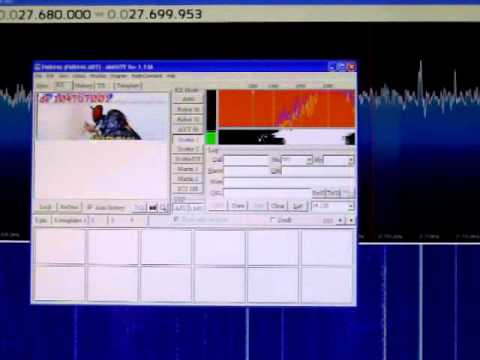
“Worlds Smallest HF Receiver” (KN0CK Integrated RTL-SDR + Upconverter)
Update: KN0CKs products are now available at http://www.kn0ck.com/HF_SDR/.
Yesterday Marty (KN0CK), developer of the miniature integrated HF upconverter for the RTL-SDR that was recently posted wrote into us with some updates.
Worlds Smallest HF Receiver
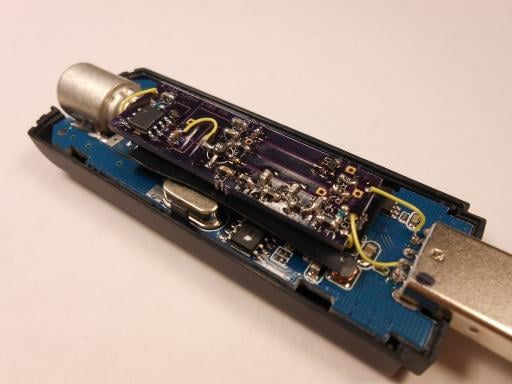
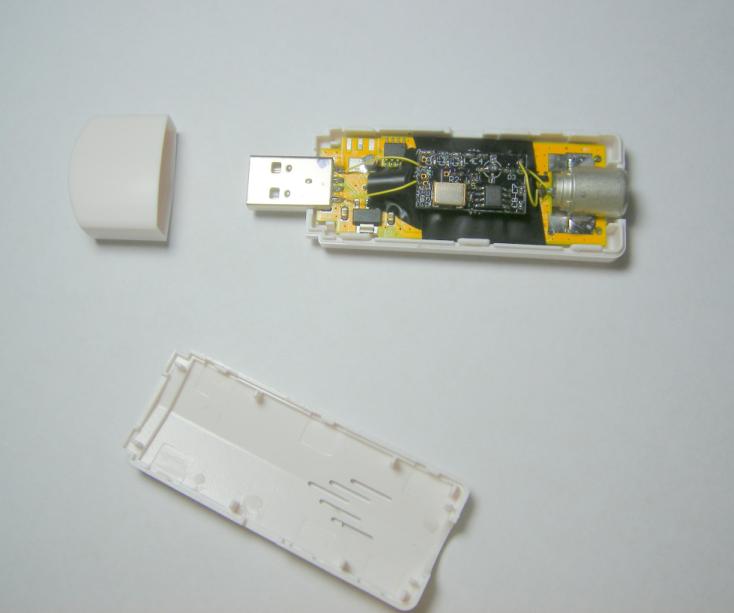
The version we posted about recently was his “Production 3” version. He writes to tell us that along with his “Production 3” release he created a 15mm x 15mm “Small Form Factor” radio enclosed in one of the smaller RTL2832 tuner dongles, which is the “Worlds Smallest HF Receiver”. Marty writes
This is a non-preamplified model receiver but has EXCELLENT performance for what you get. It has become my most favorite receiver to use here in the shack because of its size and performance – not that I don’t like the preamplified models of my receiver line. I just like how well it performs for such a small receiver – it’s truly unique.
This Small Form Factor Radio has an operating frequency of 100kHz to 54 MHz allowing the 6m band coverage that everyone was so rabid about. The entire design is predicated on using 0402 SMT parts except for what can’t be squeezed down (the crystal oscillator and the SA612 mixer). I have built 6 of these radios and have 3 on hand now for sale now. They retail out at $70.00 because they are HARD to manufacture and are hand-assembled and tested.
If you are interested you can contact Marty at martywittrock_AT_gmail_DOT_com.
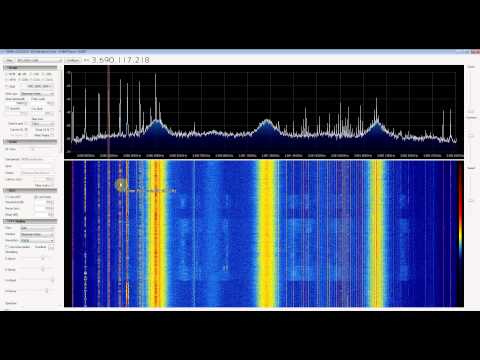
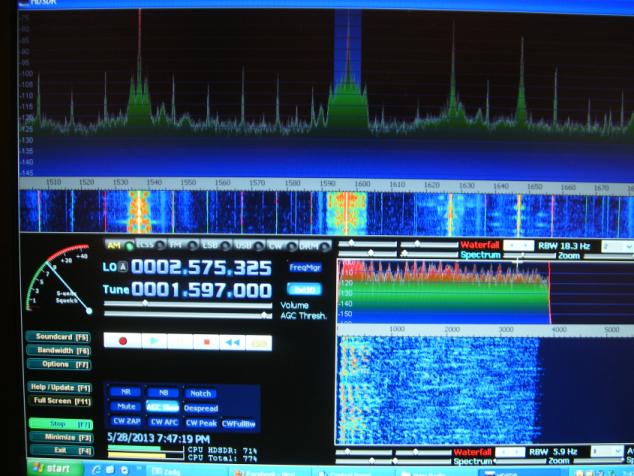
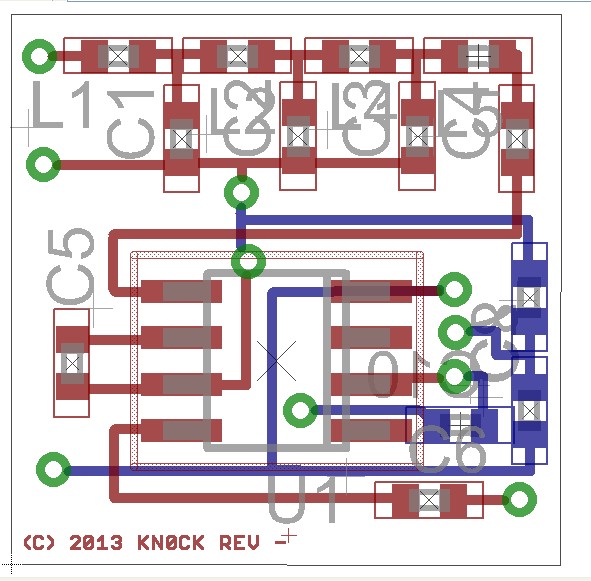
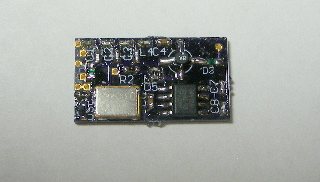
Below are some images. The first image shows the size of the worlds smallest HF receiver, the second shows an example of expected HF performance in HDSDR, and the third image shows the upconverter circuit layout.

Production 4 Model
In addition to creating the worlds smallest HF receiver, KN0CK has also been working on his “Production 4” model, which has the same performance as his “Production 3” model posted earlier, but is capable of being installed into any RTL2832 DVB-T radio.
This model is now released and will be available for sale at easy-kits.com when “Production 3” is sold out.
Marty writes
The latest production I have is termed as ‘Production 4’ and became a hybrid of my ‘Small Form Factor Radio’ and the existing ‘Production 3’ design. I took the best of both worlds and then modified the low pass filter to operate into 6m like I did on the Small Form Factor Radio, too.
[The ability to install into any RTL2832 DVB-T radio] was the reason for this final [Production 4] spin – so it could go into the DVB-T radios that incorporated the goofy through-hole capacitors they used in their power supply design (and also cheaper to sell).
I’ve incorporated this new HF upconverter design into the RTL2832/820T model radios, too, and while the performance of the DVB-T stick is not wonderful, it works pretty well with the HF Upconverter I have designed and installed in it.
I must tell you that the RTL2832/820T model radios are the cheapest out there and have 3 goofy through-hole caps in there that made it impossible to install my ‘Production 3’ model HF Upconverter into that radio….Until Production 4 came along… 🙂
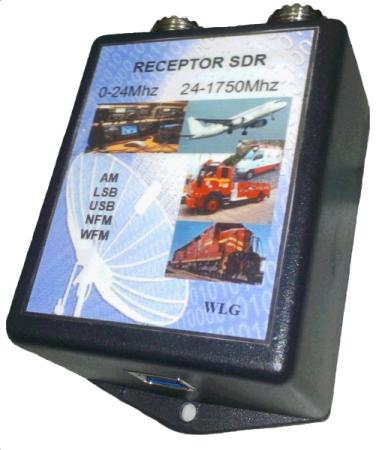
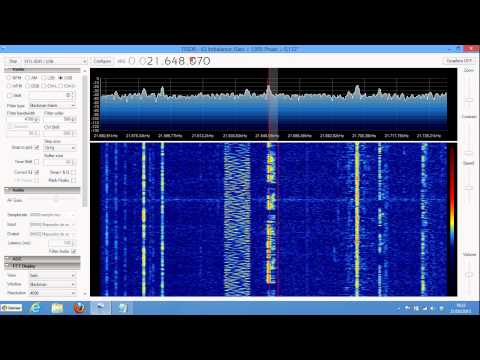
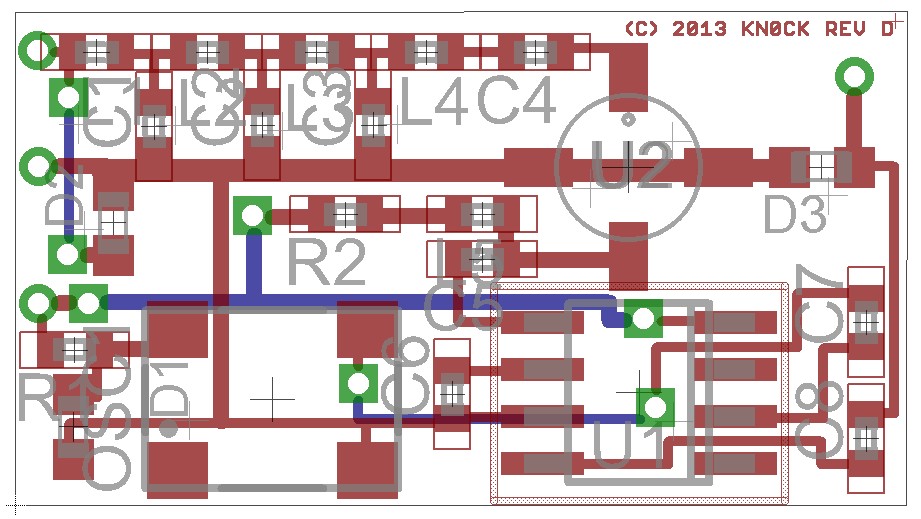
The three images below show the circuit layout, upconverter and RTL-SDR dongle together, and upconverter circuit by itself.
Future Models from KN0CK and Transmit Capabilities
For the future plans of his worlds smallest HF receiver Marty writes
At this time, I’m going to respin my ‘Small Form Factor’ board to solder the crystal oscillator directly on the board like the Production 4 models do (for awhile, I didn’t have a circuit pads for that oscillator and had to hand wire those on the back of the ‘Production 3’ boards. Production 4 cleared that issue and now I’ll clean up the Small Form Factor radio the same way.
Finally, Marty talks about his plans to create a transmit (TX) modification to the dongle. He writes
[I] am working toward a transmit side app for this stick – – target is December to make that happen. I would keep the ‘Production 3’ form factor and then put the TX stuff on the back side of the board.
We look forward to Marty KN0CKs future work, which is likely to be posted about first by KF7LZE, a friend of Marty’s on KF7LZE’s popular blog.