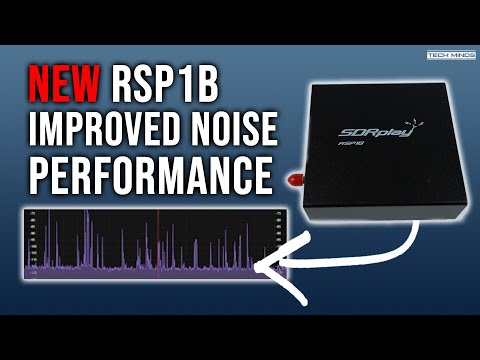
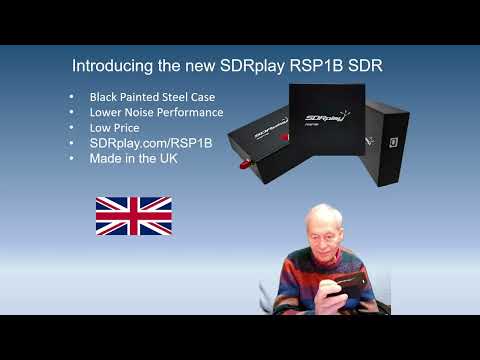
A few days ago we posted about the recent release of the SDRplay RSP1B software defined radio, which is an upgrade over the previous RSP1A model. The changes include a new steel enclosure, significantly improved noise performance under 1 MHz and in the 50 - 60 MHz region, noticeable noise improvements in the 3.5 - 5.5 MHz and 250 - 320 MHz range, and improved signal handling at HF frequencies.
Over on the Tech Minds YouTube channel, Matt has released a video testing the new RSP1B. He notes that thanks to the improved noise performance under 1 MHz, reception of NDB's from airports is significantly better.
Matt also tests SDRConnect Preview 2 which is SDRplay's new multiplatform receiver software. It is currently in 'preview', so features are still being added, and there may be bugs. In the video Matt shows a few of the new features in SDRConnect Preview 2 including band selection buttons, IQ recorder, asymmetrical, notch filtering and the remote server feature which allows SDRplay devices to be used over a network or internet connection.
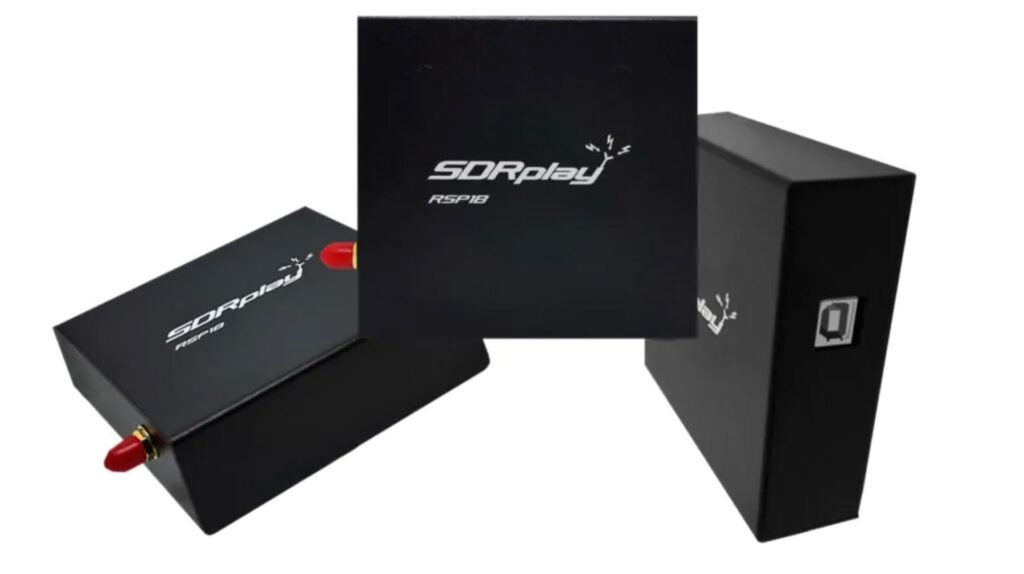
SDRplay, a manufacturer of popular low cost software defined radio devices have just launched their "RSP1B" model. This is a refresh of their popular lowest price model, the RSP1A. The changes include a new steel enclosure, significantly improved noise performance under 1 MHz and in the 50 - 60 MHz region, noticeable noise improvements in the 3.5 - 5.5 MHz and 250 - 320 MHz range, and improved signal handling at HF frequencies.
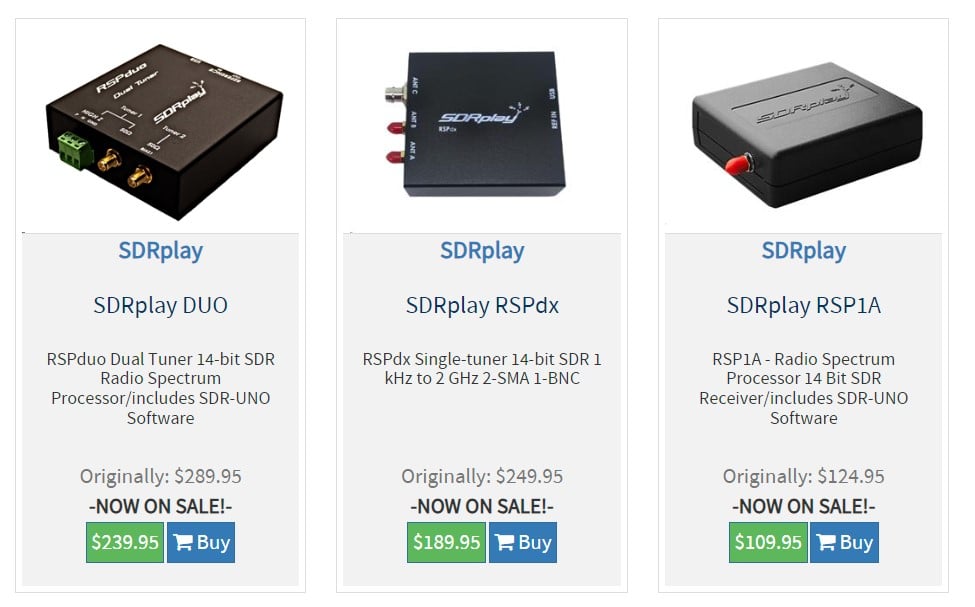
The RSP1A remains for sale at US$117 + shipping, and the new RSP1B sells for US$132.25 + shipping.
SDRplay introduces the RSP1B SDR receiver
Their press release reads:
SDRplay Limited is announcing the launch of a new Software Defined Radio receiver product – the RSP1B. The RSP1B is an enhanced version of the popular RSP1A powerful wideband full featured 14-bit SDR which covers the RF spectrum from 1kHz to 2GHz. The RSP1B comes in a rugged black painted steel case and has significantly improved noise performance. All it needs is a computer and an antenna to provide excellent communications receiver functionality. It comes with a choice of SDRunoTM for Windows and multiplatform SDRconnect (TM) SDR software for Windows, MacOS and Linux (supplied free of charge by SDRplay). It allows users to monitor up to 10MHz of spectrum at a time. A documented API allows developers to create new demodulators or applications around the platform.
The RSP1B has the following additional benefits compared to our lowest cost device, the RSP1A:
It is housed in a strong black painted steel case.
It has significantly improved noise performance below 1MHz (i.e. for MF, LF and below), and in the 50-60 MHz region. There are also noticeable noise improvements in the 3.5-5.5MHz and 250-320MHz spectrum.
It has improved signal handling at HF frequencies.
As is the case for the other RSP family members, SDRplay will work with the developers of the popular third party SDR receiver software packages to maximise compatibility. SDRplay will also provide multiplatform driver and API support which includes Windows, Linux, Mac, Android and Raspberry Pi.
The RSP1B is available to purchase direct from SDRplay or from SDRplay’s authorised resellers where it is expected to retail at approximately £106 GBP or $133 USD (excluding taxes or shipping). A list of SDRplay’s authorised resellers can be found at www.sdrplay.com/distributors/
For more information visit the SDRplay website on www.sdrplay.com
About SDRplay:
SDRplay limited is a registered UK company, with registered offices in the UK and Ireland.
Although this year they are not running a sale on their direct sales platform, make sure to check their direct sales pricing if you are outside the USA, as it may end up cheaper to ship directly from SDRplay in the UK.
Antenna impedance matching is important for antennas and software defined radios as impedance mismatches can result in poor reception. For transmitting SDR's the situation is more dire because impedance mismatches can actually damage the transmitting hardware or at least cause high power efficiency losses.
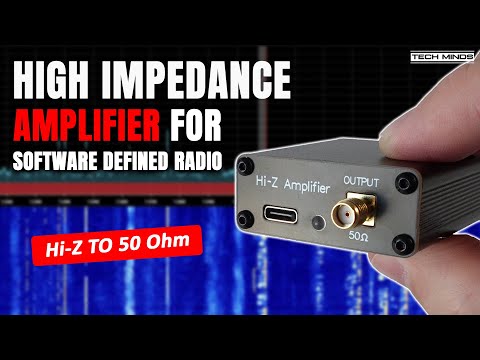
Over on his YouTube channel Tech Minds has uploaded a video where he tests out a battery powered HF high impedance amplifier for software defined radios. The amplifier is designed to be used with long wire antennas on the HF bands as these antennas typically have high impedances which don't match the 50 Ohm impedance that most SDRs expect to see. This device is an amplified alternative to using a passive unun.
The results in his video show that the signal to noise ratio is indeed boosted when the impedance matching amplifier is used. Later the device is opened to show the battery, charging management chip and amplifier chip.
High Impedance Amplifier for Software Defined Radio
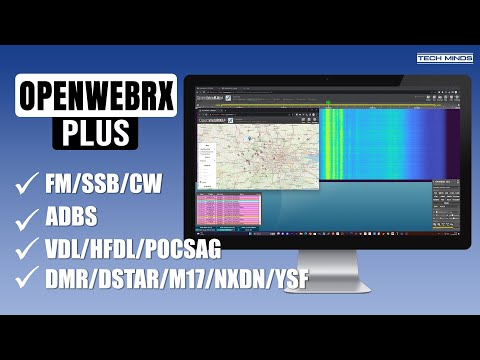
In one of his videos from a few days ago Matt from the Tech Minds YouTube channel tests out OpenWebRX+, an unofficial fork of OpenWebRX. OpenWebRX is open source software which enables users to put software defined radios like RTL-SDRs on the internet, allowing people from all over the world to access the receiver if desired, or just letting yourself access it remotely if you want to keep it private.
OpenWebRX+ adds several additional decoders and features on top of the official version. In the video Matt demonstrates OpenWebRX+ running on a Raspberry Pi 4, with an SDRPlay RSPdx. He demonstrates the web GUI in action and shows decoding examples of the various decoders that OpenWebRX+ comes with.
Back in 2018 we posted about someone who had combined an ultrasonic piezo speaker and an SDRPlay RSP1A in order to create a device that can detect the ultrasonic sonar sound from bats.
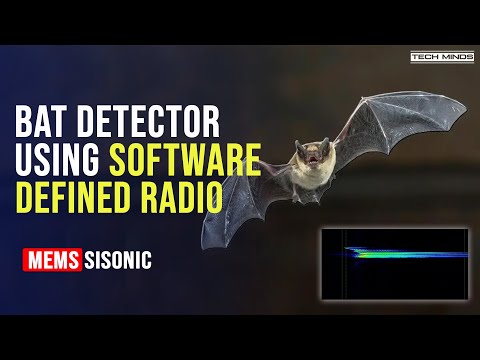
Recently on YouTube Matt from the TechMinds YouTube channel was able to create a similar system using a MEMS microphone from Knowles which can receive audio in the 100 Hz ~ 80 kHz range. He connects the microphone to a 3.3V supply and connects the output of the microphone to his SDRplay RSPDx.
The system was then able to successfully hear the sound of bat sonar at his home location in the UK.
Ultrasonic BAT Detector Using Software Defined Radio
In his latest video Matt from the TechMinds YouTube channel shows us how to build a home made turnstile antenna for receiving the MILSAT SATCOM satellites where radio pirates from Brazil and other countries can often be heard.
The build involves 3D printed parts, metal measuring tape for the elements, some aluminum tubes and a coax phasing harness. After testing the VSWR with a meter, Matt tests the antenna with a handheld and finds it to be working well. He also later tests it with his SDRplay RSPdx and finds that the Turnstile outperforms his roof mounted vertical.
Back in March of this year we posted about an OpenWebRX fork called OpenWebRX+, which adds multiple built-in and ready to use decoders such as SSTV, AIS, CW and RTTY. OpenWebRX+ is a fork of the OpenWebRX project which is now officially maintained by DD5JFK.
Since our last post OpenWebRX+ has progressed in development further, and now includes a HFDL decoder via dumphfdl, various ISM band equipment decoders via rtl_433, FLEX pager decoding via multimon-ng, and a SELCALL decoder has also been added. Many other improvements and changes to the software have also been added, and the full changelog can be viewed here.
OpenWebRX+ is software for Linux. If you want to install OpenWebRX+, an easy path is to use the ready to use Raspberry Pi 4 image available on the releases page, or to use their PPA.
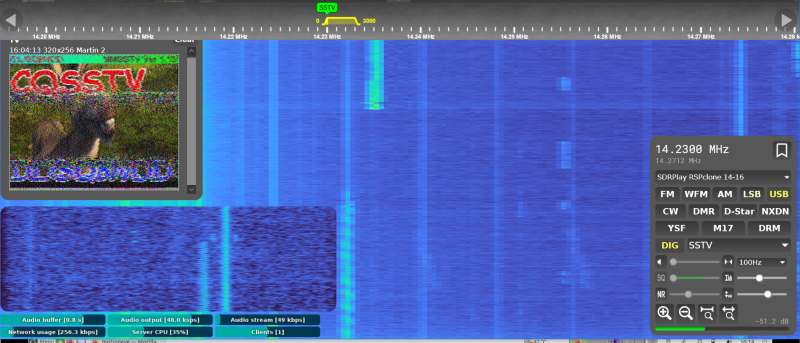
SSTV Image received by the luarvique fork of OpenWebRX. Credit: Neil Howard