The RFNM is an upcoming software defined radio that will have eight 12-bit ADCs, up to 612 MHz real time bandwidth, and two DACs for transmitting with up to 153 MHz bandwidth.
The standard board will support tuning from 600 - 7200 MHz, with tuning expanded down to 10 MHz available via an RFFC2071A mixer daughterboard called Granita or Lime tuner daughterboard. The board also has an onboard VSPA DSP processor, as well as built in ARM CPU cores, and a 16 GFLOPS GPU all of which can help process the massive bandwidth, as that full live bandwidth will be very difficult to transfer and use on a PC.
Recently the RFNM team posted their End of December update, noting that they are currently testing revision 2 of their motherboard with revision 3 to be the production version. They also note that the Lime daughter board is ready for manufacturing, but the Granita daughterboard will be delayed until April. Everything else is estimated to be ready to ship by March.
The board has also now been redesigned to have a heatsink and fan. And they have managed to implement a Quadrature Error Correction kernel in their VSPA DSP processor. Finally, they are also drafting a plan to ship power calibrated daughterboards.
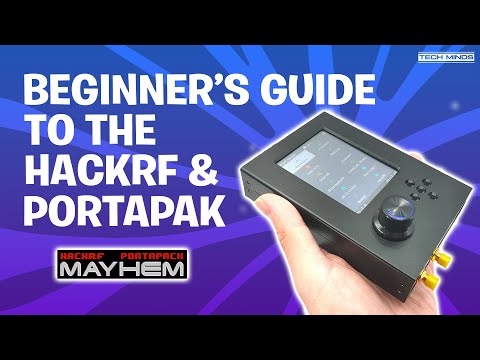
In one of his latest videos Matt from the Tech Minds YouTube channel has created a beginners guide to the HackRF and Portapack with the Mayhem Firmware. The HackRF is a popular affordable software defined radio with wide frequency range and transmit capabilities. An addon called the Portapack allows the HackRF to go portable, and custom firmware called 'Mayhem' significantly expands it's capabilities.
Matt uses a Chinese HackRF and Portapack clone set from Banggood which can be found very cheaply for around $200 shipped. The original Portpack can be found from the Sharebrained store for $200, and then original HackRF can be found form various resellers listed on the greatscottgadgets website.
In the video Matt unboxes the Portapack, shows an overview of the hardware and then goes on to show how to update the stock firmware to the Mayhem firmware. He then demonstrates a few of the capabilities of the Mayhem firmware.
Beginner's Guide To The HackRF & Portapak With Mayhem
This year there were several interesting stories and product releases that we posted about on the blog and this post will be a brief end of year review of some of our most popular posts. We also wanted to wish everyone a Merry Christmas and Happy Holidays to every celebrating at this time of the year!
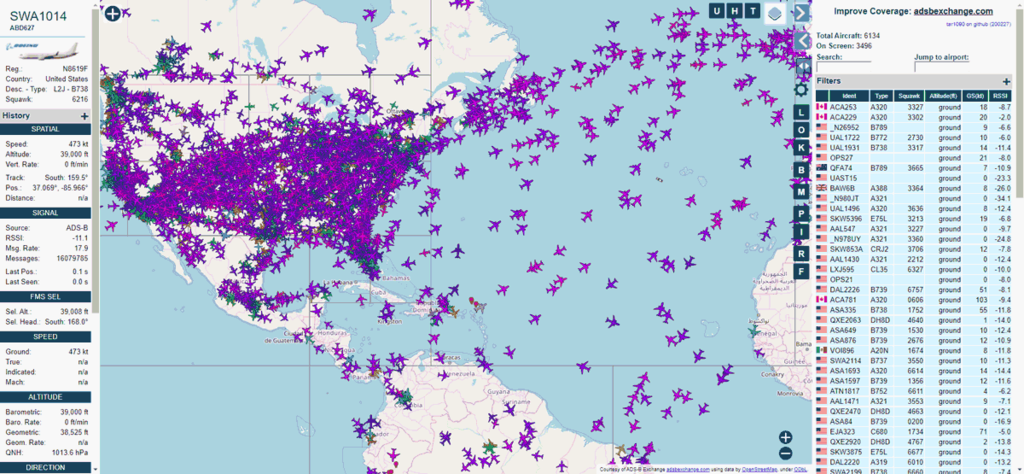
In January we saw that the popular ADS-B Exchange (ADSBx) ADS-B aggregation platform was sold to a private equity firm called JETNET. This caused quite a bit of outrage as many involved with the development of the platform were blindsided by the owner's sudden decision to sell. ADS-B Exchange is a popular ADS-B aggregator that uses RTL-SDRs and is known for it's hard no censorship policy, allowing it to be used in projects like "Dictator Alert" and to uncover immoral use of aircraft in policing and military "kill chains". Many of the original team have since started a new service at https://airplanes.live.
ADSBExchange.com interface
Next in February at the height of the "Chinese Spy Balloon" scare we ran a story about how the US air force had shot down an amateur radio 'pico balloon' called K9YO-15 , on the assumption that it could have been another Chinese spy balloon. Pico balloons are party sized helium balloons with a solar powered amateur radio transmitter attached. The fun of the hobby is seeing how far and long around the world they can travel for. A typical pico balloon could circumnavigate the globe several times over several months, all whilst transmitting it's position.
Rough trajectory overlay
In April we saw the Flipper Zero go mainstream when it was reviewed on the Linus Tech Tips YouTube channel. The Flipper Zero is a small RF hacking device that gained high popularity on social media sites like TikTok.
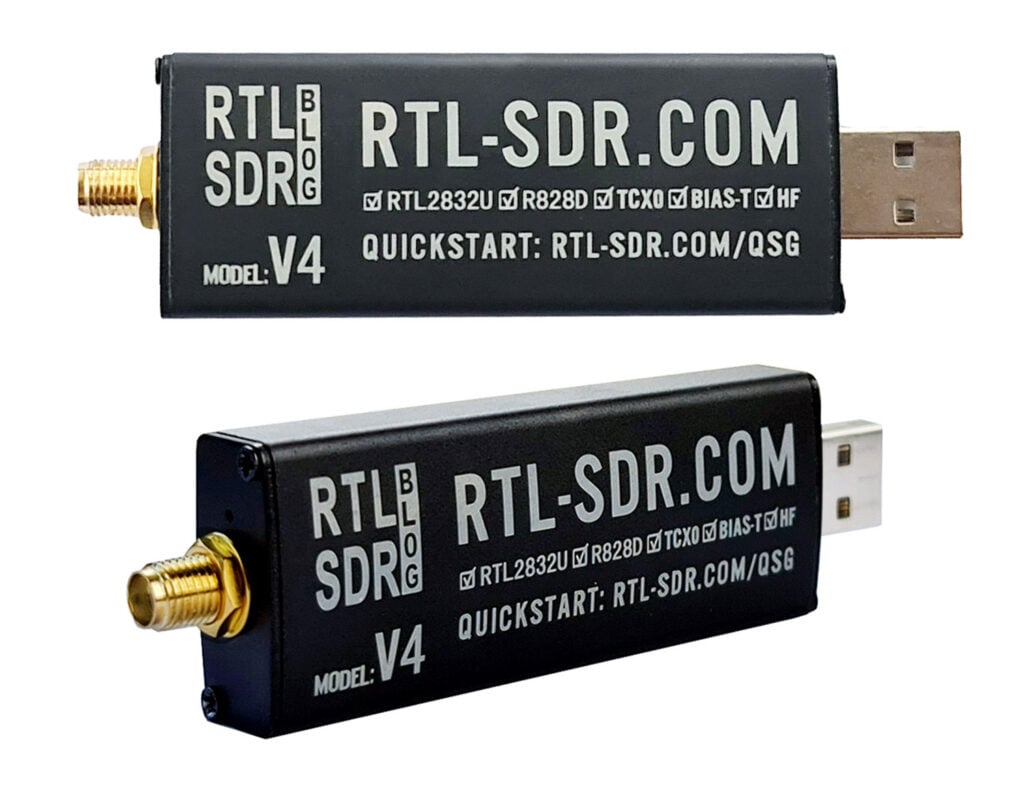
Later in August we also released the RTL-SDR Blog V4 dongle, a limited edition RTL-SDR that makes use of existing stockpiles of R828D tuner chips. It has improved HF performance thanks to an upconverter, and improved filtering on the VHF and UHF bands.
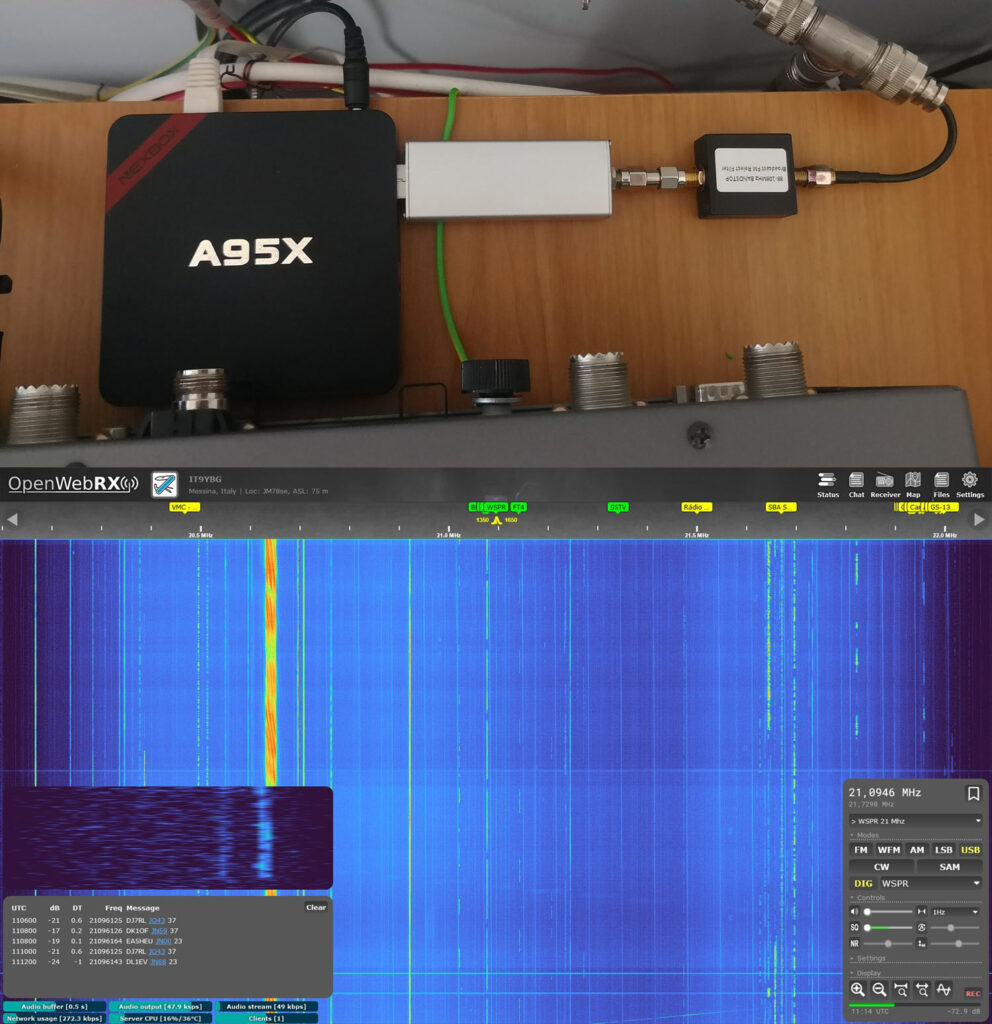
To install the Armbian Linux operating system Joseph used the instructions from i12bretro and installed OpenWebRX after. Then together with his RTL-SDR Blog V3 dongle he turned the device into a cheap dedicated WSPR (Weak Signal Propagation Reporter) monitor allowing him to free up his Raspberry Pi 3 which was used for the task previously.
IT9YBG's Android TV Box converted into a WSPR monitor with an RTL-SDR Blog V3 and OpenWebRX
Thank you to Dave D. for submitting his 3D printed enclosure for RTL-SDR Blog V3 and V4 units. The enclosure is designed to protect and support the dongle. It includes an optional hole for a heatsink to keep the unit cool. Dave writes:
I've designed a 3D printed case for the RTL-SDR Blog V3 & V4. The reason for the case is to use a USB extension to move the weight of the device from the PC USB port to make portable laptop use less likely to fall out or break.
Additionally, there is an opening in the case top to accommodate an optional heat-sink, which may be beneficial with the V3 at higher frequencies.
Here's the link to the 3D print files free on Prusa's Printables website. Anyone can download and print this. Creative Commons applies
Over on YouTube user sn0ren has posted a well produced introductory video to RTL-SDR. If you're already familiar with software defined radios and RTL-SDR, this video won't be of any use to you, but if you are just starting out, or have friends that might be interested, this is a great video to show.
Sn0ren's video goes over basic concepts like the history behind RTL-SDR, what an SDR is, what radio is, and then goes on to explain and demonstrate reception of the various different types of signals that can be received with an RTL-SDR and compatible software.
The Cheapest Radio Receiver For Beginners / RTLSDR v4
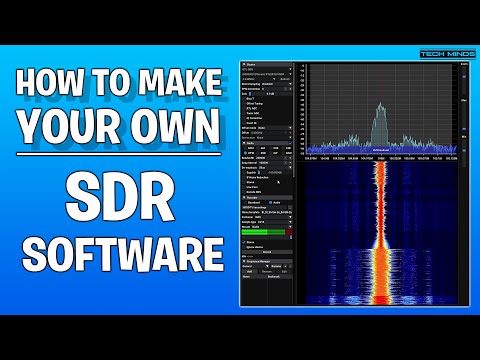
In his latest video out on YouTube, Matt from the Tech Minds channel gives us an overview of GNU Radio, and shows a few examples of how it can be used to receive, transmit and decode digital data.
GNU Radio is a popular open source DSP framework for software defined radios. With it you can graphically implement any sort of digital signal processing chain that you like, which can be used for decoding/encoding and demodulating/modulating signals.
GNU Radio can be extremely complex and powerful, but in the video Matt shows some simple starter example flowgraphs like an LSB demodulator, and a simple wav file source transmitter for the HackRF.
How To Make Your Own SDR Software With GNU Radio Companion
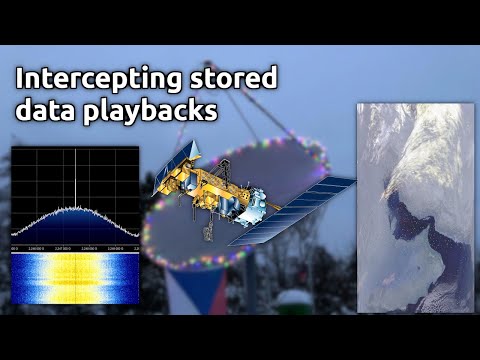
With polar orbiting weather satellite reception we as amateur ground station operators with SDR receivers typically download images via "Direct Broadcast", which provides imagery of what the satellite is currently seeing live. However, the main way satellites such as the NOAA POES (NOAA 15, 18 & 19) satellites downlink is via "Global Area Coverage" (GAC) broadcast which provides the full stored imagery data of the entire global pass. However, GAC is only broadcast in locations where the satellite operator operates ground stations.
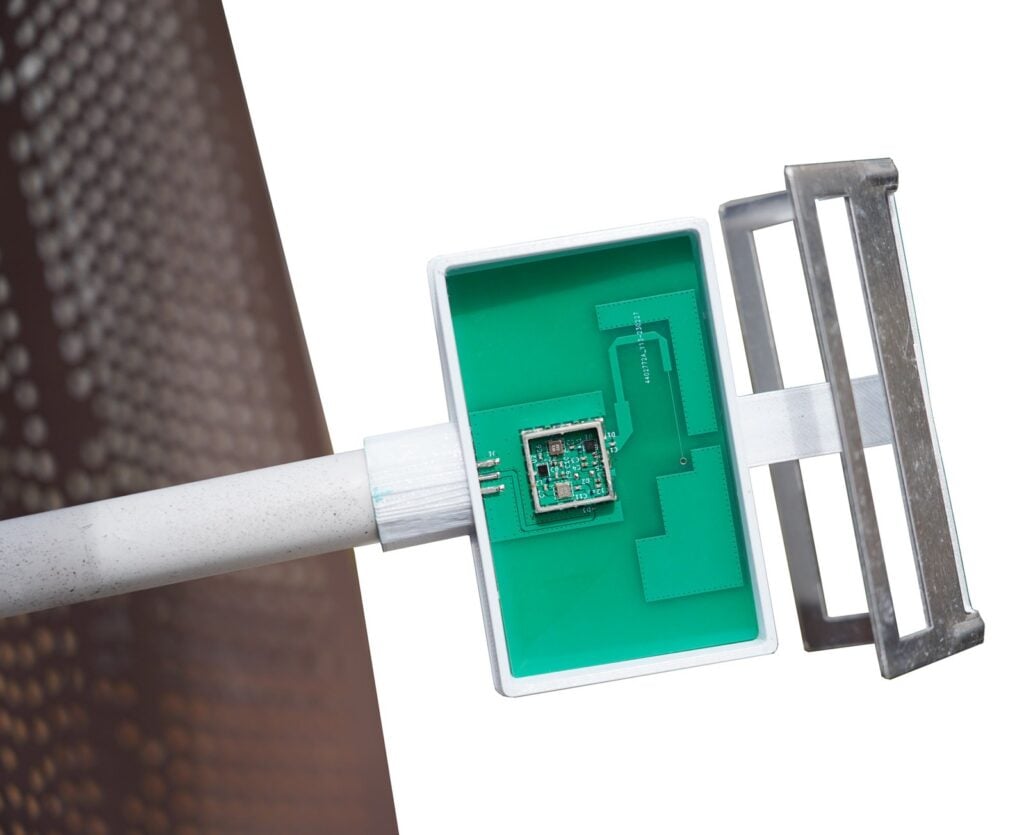
Over on YouTube dereksgc has uploaded a video showing how to receive GAC data from the NOAA POES satellites. He notes that GAC is now broadcast at 2247.5 MHz in the S-band, and the ground station it now downlinks to is likely in Svalbard, rather than in the USA. This means that amateur satellite stations close to the North Pole can receive the GAC signal, including dereksgc's station which (we believe) is in the Czech Republic.
Dereksgc uses a large 250cm offset dish with S-band feed connecting to a HackRF. In the video he demonstrates him receiving the signal, and then decoding it using SatDump. Finally he shows all the images from various locations around the earth that he was able to receive from one satellite pass.