Category: Antennas

FOSDEM 2024 Videos now Available: Synthetic Aperture WiFi RADAR, GPU DSP Acceleration and more

FOSDEM (Free and Open Source Developer’s Meeting) is a yearly conference that took place in Brussels, Belgium on 3 - 4 February 2024. This conference featured a room on Software Defined Radio and Amateur Radio.

Recently the videos of most the talks have been uploaded to their website. Some interesting talks include:

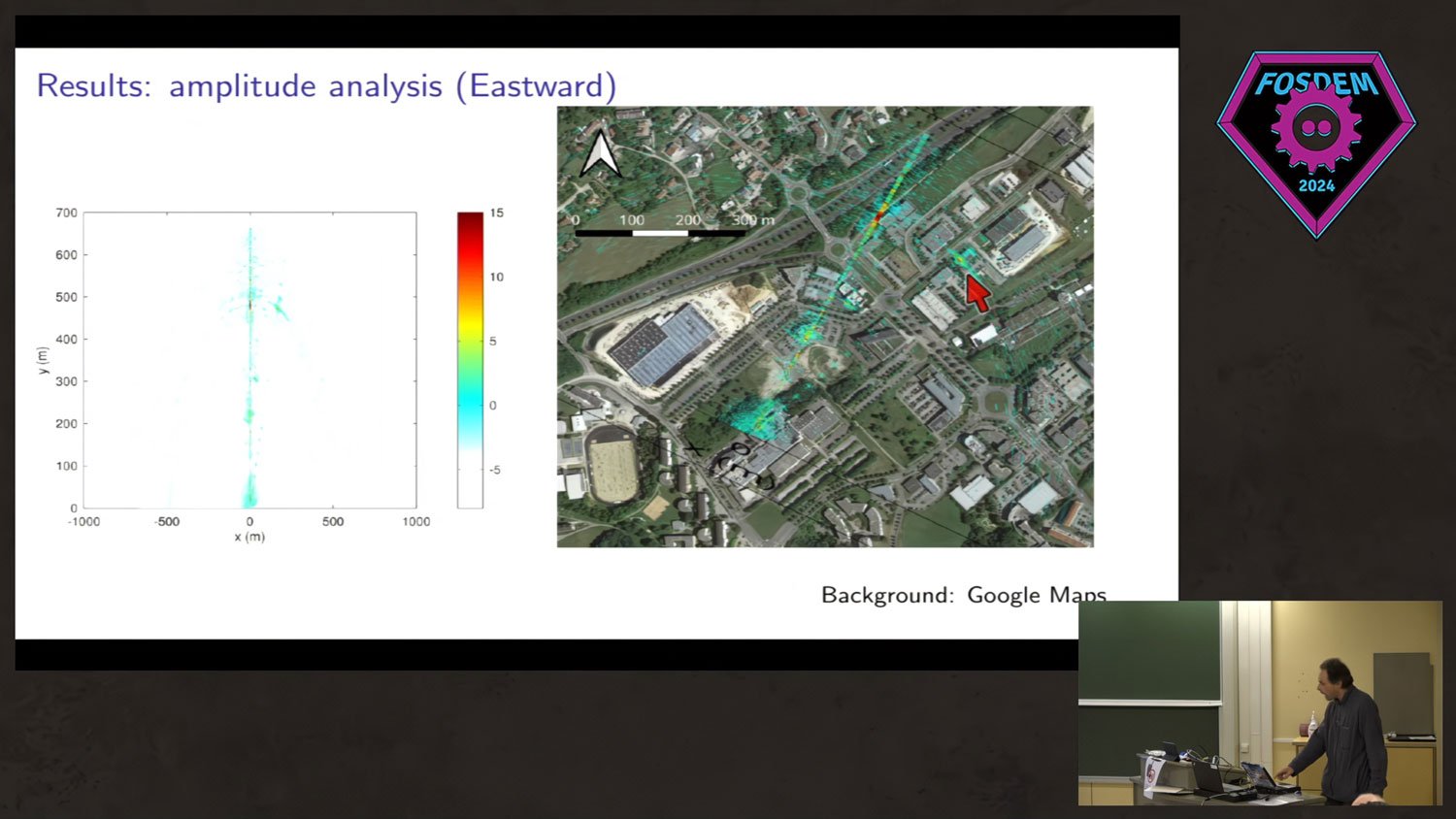
Covert Ground Based Synthetic Aperture RADAR using a WiFi emitter and SDR receiver

Link to Talk Page

Using a WiFi emitter as radiofrequency source illuminating a scene under investigation for slow movement (e.g. landslides), a Ground-Based Synthetic Aperture RADAR (GB-SAR) is assembled using commercial, off the shelf hardware. The dual-channel coherent Software Defined Radio (SDR) receiver records the non-cooperative emitter signal as well as the signal received by a surveillance antenna facing the scene. Spatial diversity for azimuth mapping using direction of arrival measurement is achieved by moving the transmitter and receiver setup on a rail along a meter-long path -- the longer the better the azimuth resolution -- with quarter wavelength steps. The fully embedded application runs on a Raspberry Pi 4 single board computer executing GNU Radio on a Buildroot-generated GNU/Linux operating system. All development files are available at https://github.com/jmfriedt/SDR-GB-SAR/

Synthetic Aperture RADAR with WiFi and USRP SDR

Using GPU for real-time SDR Signal processing

Link to Talk Page

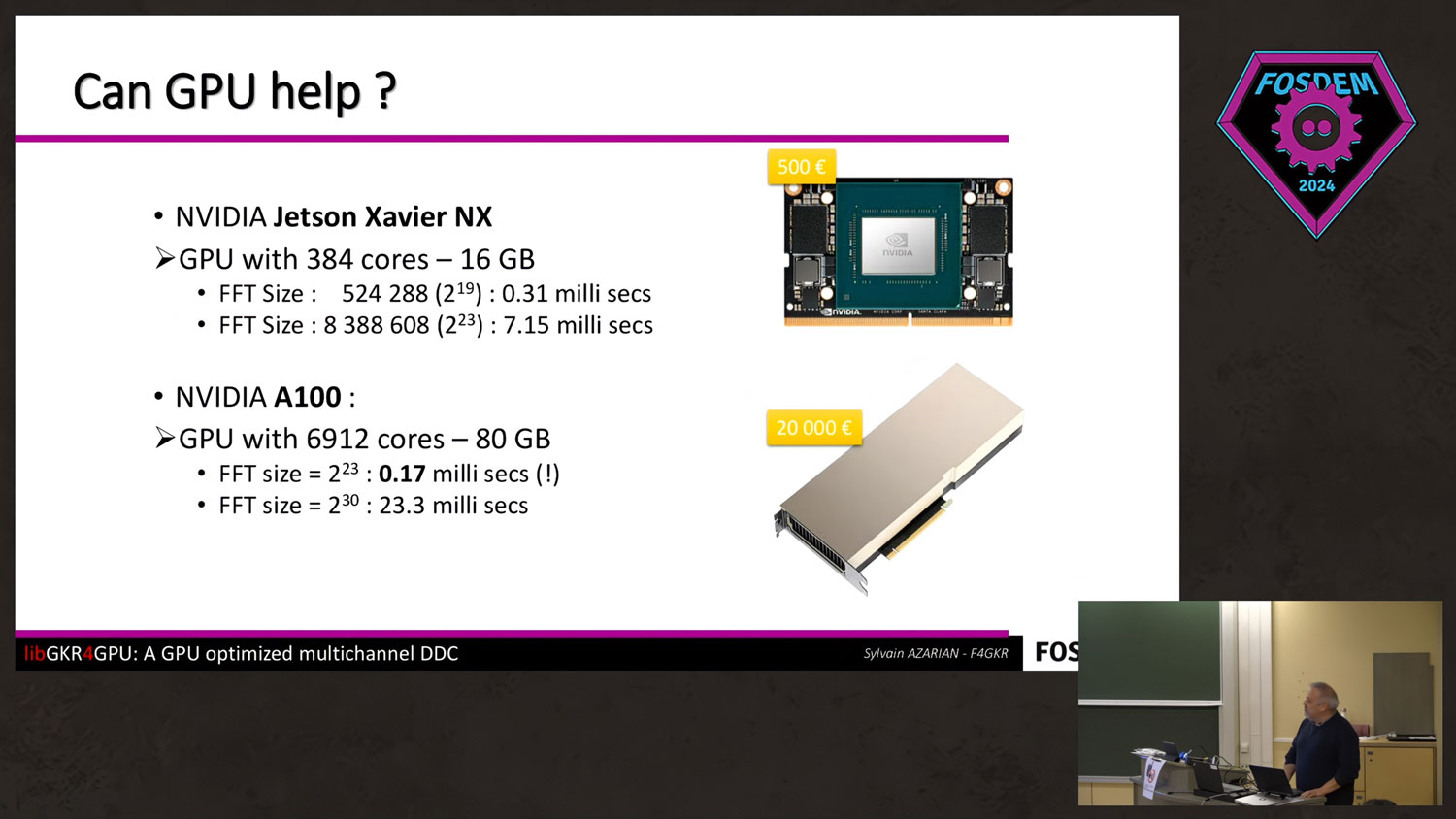
GPU processors have become essential for image or AI processing. Can they bring anything to real-time signal processing for SDR applications? The answer is yes, of course, but not all classic algorithms (FIR, DDC, etc.) can be used "as is", sometimes a different approach must be taken. In this presentation, I will share the solutions that I implemented to achieve multi-channel DDC on NVIDIA Jetson GPU and will make a comparison with "classic CPU" approaches.

Using GPU's for Real Time Signal Processing

Maia SDR: an open-source FPGA-based project for AD936x+Zynq radios

Link to Talk Page

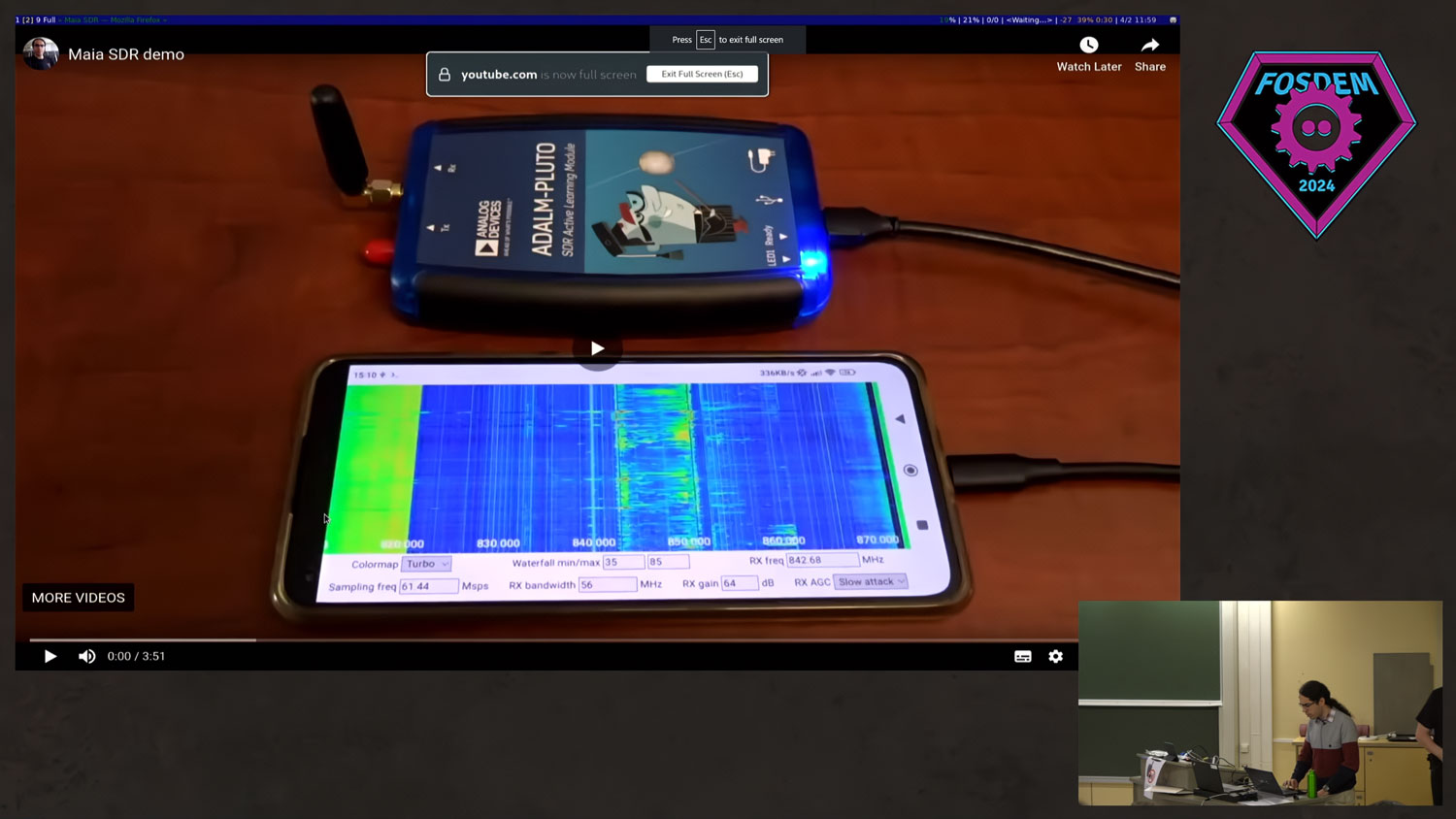
Maia SDR is an open-source project with the main goal of promoting FPGA development for SDR and increasing the collaboration between the open-source SDR and FPGA communities. Currently it provides a firmware image for the ADALM Pluto and other radios based on the AD936x and Zynq. This firmware can display a real-time waterfall at up to 61.44 Msps in a WebSDR-like interface using WebGL2 rendering, and record IQ data in SigMF format in the SDR DDR. The FPGA design is implemented in Amaranth, an Python-based HDL, and the software stack is implemented in Rust, targetting the embedded ARM CPU and WebAssembly.

The first firmware version was released in February 2023, and the project was presented in June in the Software Defined Radio Academy. In this talk we cover the progress since the summer, including the addition of support for devices such as the Pluto+ and AntSDR. We focus on the technical details of the project and the possibilities for re-using some of the components in other projects.

Maia SDR

DAPNET: Bringing pagers back to the 21st Century

Link to Talk Page

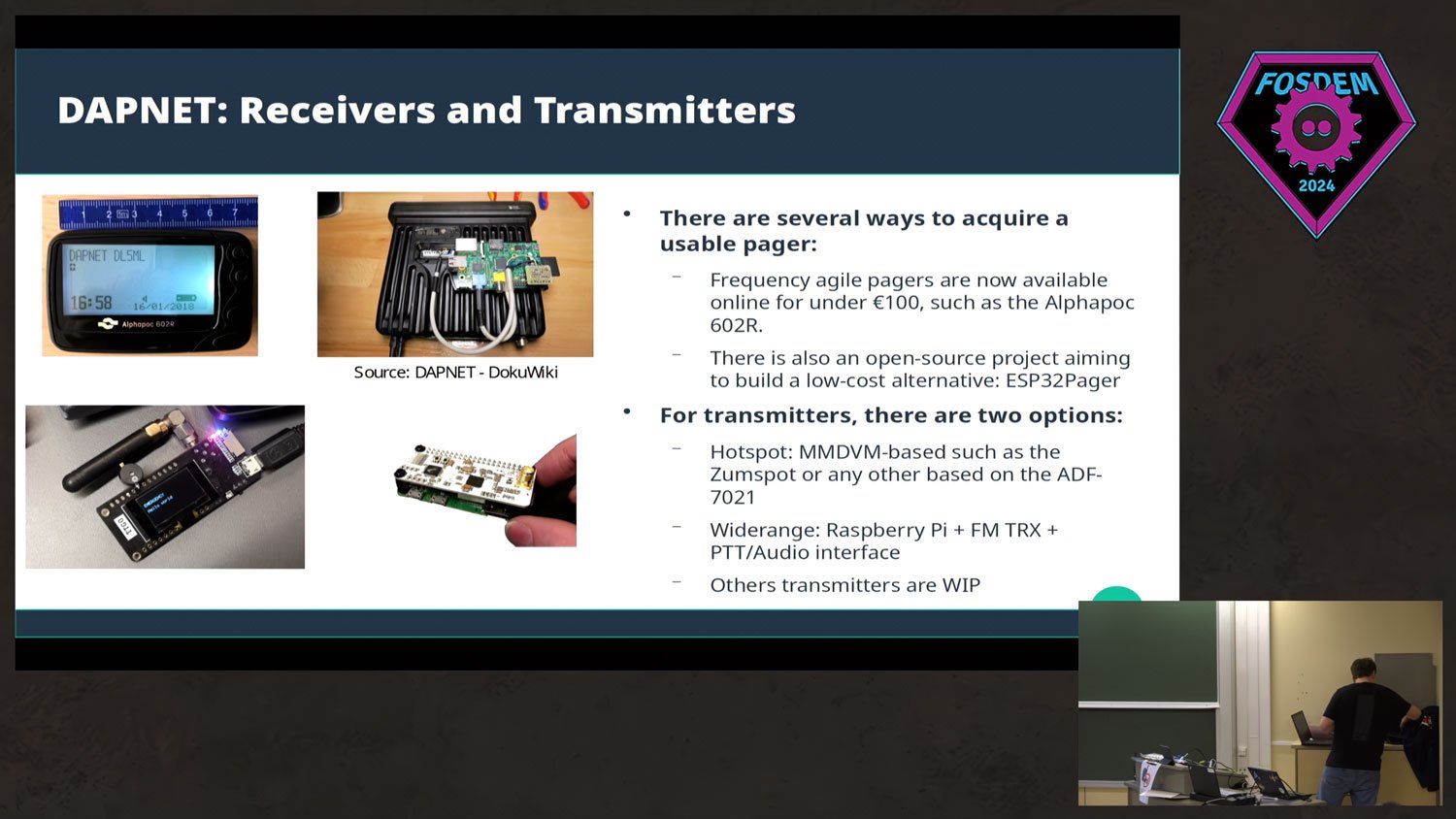
When talking about pagers, most of us will think about an object of the past, often seen in TV shows from the 90s, used by medical staff and businessmen. However, they're an interesting way to get simple data broadcast over amateur radio frequencies, with receivers that can be built for less than 20€. We'll explore this and understand how an extensive network can be deployed with simple equipment and using open source hardware and software.

DAPNET Talk

Multiple Comprehensive Tutorials on Weather Satellite Decoding

Over on his website "Jacopo's Lair" IU1QPR (@original_lego11) who is also a developer for SatDump has written up many tutorials about weather satellite decoding that involve the use of SatDump. SatDump is a popular piece of software often used with RTL-SDRs and other low cost SDRs for decoding weather satellite images.

With a small satellite dish, feed, RTL-SDR and LNA+filter and the SatDump software it's possible and download beautiful images of the earth from many geostationary and polar orbiting weather satellites. We note that we are currently taking pre-orders on Crowd Supply for our Discovery Dish system, which is low cost hardware designed to help users get started with weather satellite reception.

Over on Reddit IU1QPR has created a listed summary of all the tutorials he's written. These are currently the most up to date and comprehensive tutorials that we have found on this topic. The tutorials cover everything from what satellites are available, what dish sizes you need, what SDRs can be used, what LNA+filter and other hardware you need, and how to use the SatDump software.

Satellite reception and decoding

Automated stations

SatDump usage

All have been moved to SatDump's documentation page

Satellite data processing and usage

From the HRPT tutorial: What various HRPT signals look like on the spectrum.
From IU1QPR's HRPT tutorial: What various HRPT signals look like on the spectrum.

A Tribute to Amateur Radio Astronomer Job Geheniau (Job’s Radio Telescope)

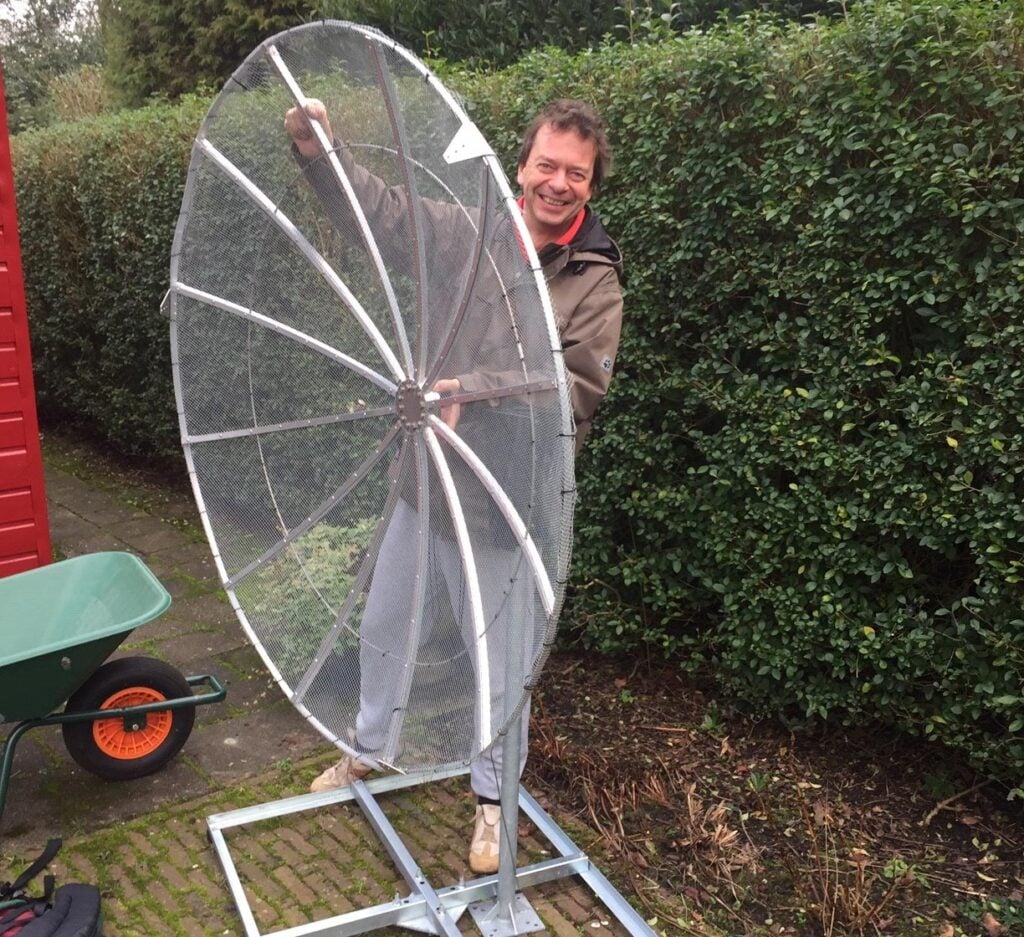
Job Geheniau was someone whose amateur radio astronomy projects were often featured on RTL-SDR Blog (often referred to as Job's Radio Telescope). It with great sadness that we have recently learned that Job Geheniau passed away from cancer in late December 2023. We would like to take the time share this post to highlight some of his achievements in the amateur radio astronomy field.

Back in 2020 Job first surprised us with one of his first radio astronomy results (Part 1, Part 2) where he was able to image the Milky Way in neutral hydrogen by using a 150cm dish, RTL-SDR, LNA and motorized mount. Over eight nights he recorded hydrogen line readings throughout the Milky Way and ended up creating a 2D Excel sheet that showed an image of the Milky Way at the 1420 MHz hydrogen line frequency. 

Job would go on, rapidly evolving and each time showing us that low cost hardware set up in a backyard could be used to unlock many of the secrets of the universe. Using a satellite dishes less than two meters in diameter, RTL-SDRs, LNAs and filters he was able to:

Job's Radio Astronomy website remains up at https://jgeheniau.wixsite.com/radio-astronomy, and many results and writeups of his other experiments can be found there. We will sorely miss posting about Job's achievements, but we hope that his life has inspired you to take a closer look at the amateur radio astronomy hobby.

A tribute to Job will also be published in the next membership journal from the Society of Amateur Radio Astronomers.

Building a Drone Tracking Radar with the ADALM-PHASER and PlutoSDR

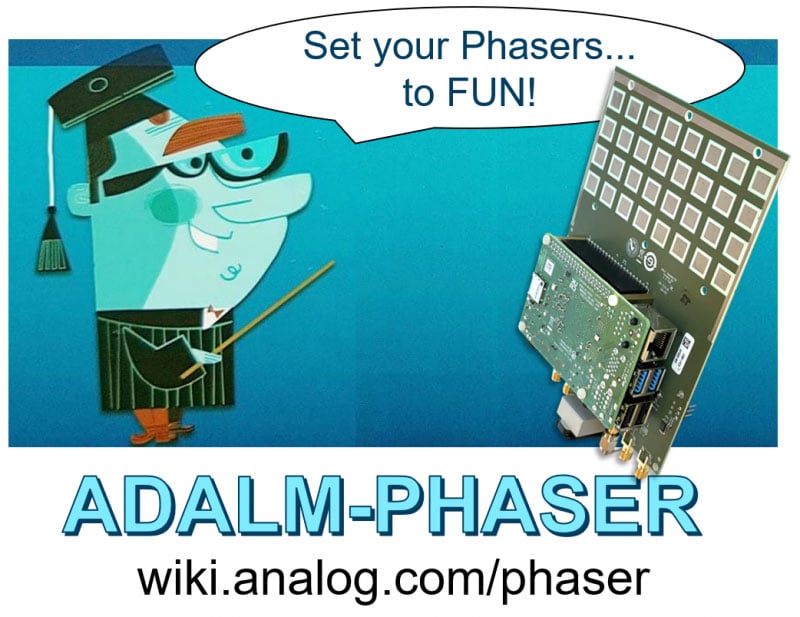
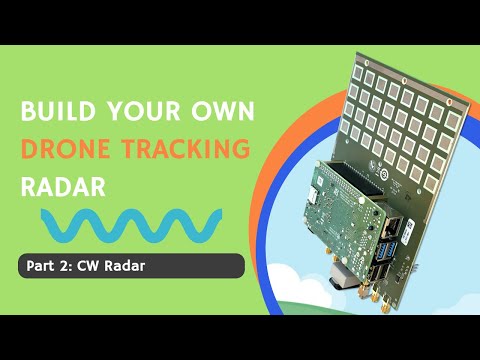
The ADALM-PHASER is a kit designed to provide experience with phased array beamforming and radar concepts. The kit consists of a PlutoSDR, mixers, LO synthesizer, ADAR1000 beamformer chip, LNAs and array of patch antennas. It operates between 10-11 GHz, has 500 MHz BW FMCW chirps, and has 8 receive channels and 2 transmit channels. It is an open source kit that costs US$2800, and it is produced and available from Analog Devices. Currently the kit appears to not be in stock, but they note that they are working on getting more stock in soon.

The ADALM-PHASER a phased array kit for implementing radar and other phased array experiments.

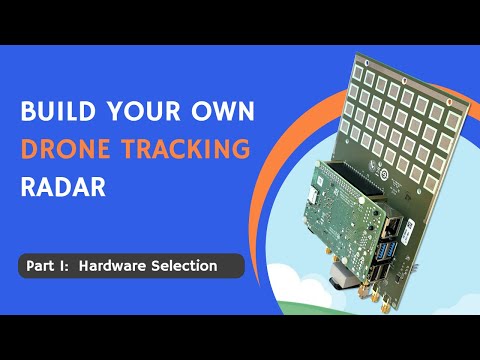
Over on YouTube, Jon Kraft who appears to be affiliated with Analog Devices, is working on a series of videos that will ultimately result in a drone tracking radar being built with the ADALM-PHASER. Currently two videos have been released.

The first is an overview of radar concepts, giving an explanation of pulsed vs CW radar, and the various hardware options we have to implement low cost versions of these methods.

The second video covers more radar concepts like range resolution and shows us how to build a CW radar with the ADALM-PHASER system.

The three remaining videos are yet to be released, so keep an eye on his channel for updates.

Build Your Own Drone Tracking Radar: Part 1

Build Your Own Drone Tracking Radar: Part 2 CW Radar

Downloading Stored Images and Data from the NOAA Weather Satellite GAC Broadcast

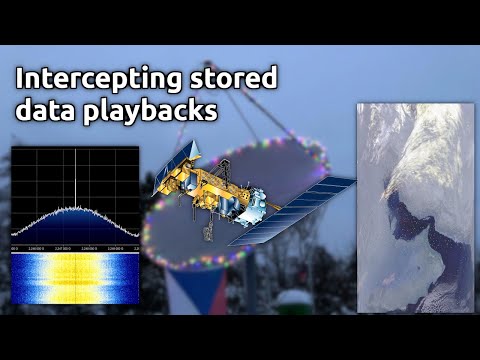
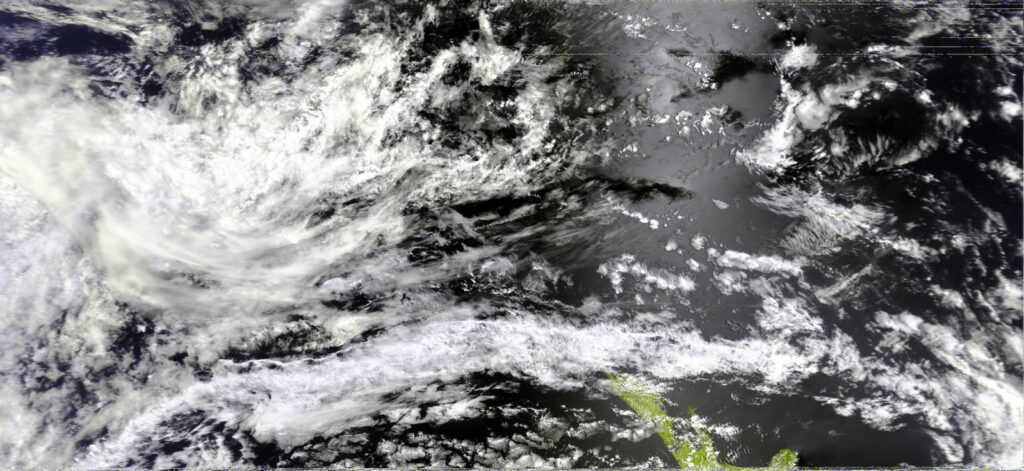
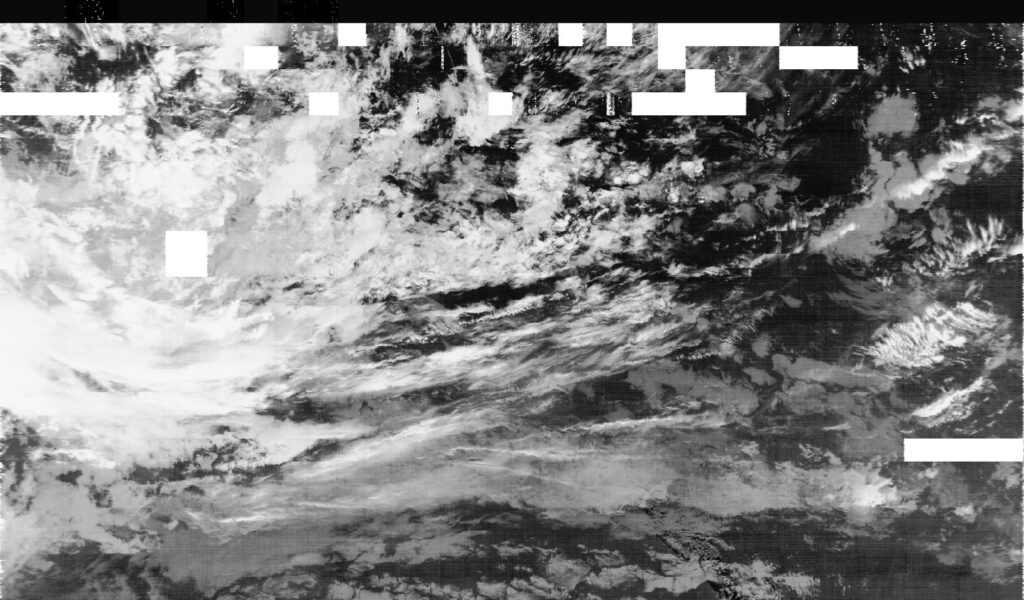
With polar orbiting weather satellite reception we as amateur ground station operators with SDR receivers typically download images via "Direct Broadcast", which provides imagery of what the satellite is currently seeing live. However, the main way satellites such as the NOAA POES (NOAA 15, 18 & 19) satellites downlink is via "Global Area Coverage" (GAC) broadcast which provides the full stored imagery data of the entire global pass. However, GAC is only broadcast in locations where the satellite operator operates ground stations.

Over on YouTube dereksgc has uploaded a video showing how to receive GAC data from the NOAA POES satellites. He notes that GAC is now broadcast at 2247.5 MHz in the S-band, and the ground station it now downlinks to is likely in Svalbard, rather than in the USA. This means that amateur satellite stations close to the North Pole can receive the GAC signal, including dereksgc's station which (we believe) is in the Czech Republic.

Dereksgc uses a large 250cm offset dish with S-band feed connecting to a HackRF. In the video he demonstrates him receiving the signal, and then decoding it using SatDump. Finally he shows all the images from various locations around the earth that he was able to receive from one satellite pass.

Discovery Dish Updates and Some Cool Hi-Res Images

We have recently posted an update on our Discovery Dish crowd funding campaign over on Crowd Supply. Check it out on the update page, or on the repost down below.

Discovery Dish Teardown Session Livestream Recording

Thank you to Helen Leigh and Crowd Supply for featuring us on one of their Teardown Sessions live streams a few days ago. If you missed it, feel free to watch the recording below. On the livestream we discussed the Discovery Dish and talked a bit about the journey we took to get to the final product design.

Teardown Session 38: Discovery Dish

Enclosure Glands and Vents

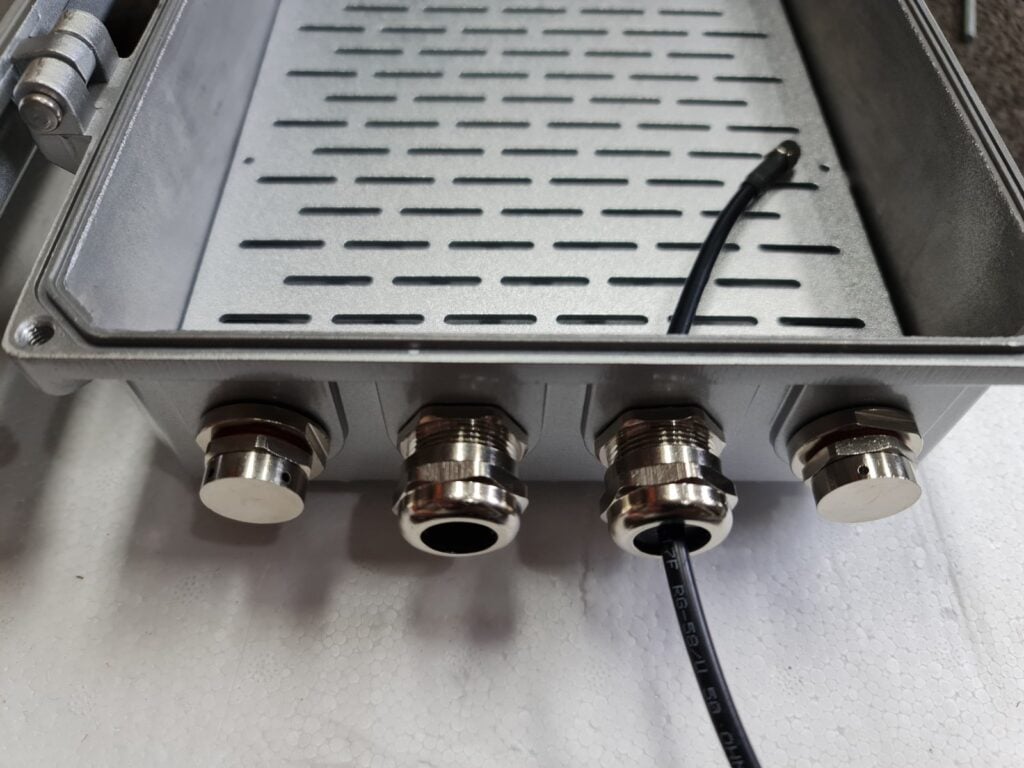
We have decided to include a few cable glands and vents with the Discovery Dish Enclosure, as these will ensure that the bottom of the enclosure is protected against water jets and any splash back from the ground, as well as allowing the electronics inside to breathe a bit. Allowing waterproof enclosures to breathe is important in many environments to avoid condensation build up inside.

The glands and vents will be metal to ensure that RF tightness of the enclosure is maintained as much as possible.

The electronics inside can be passively cooled via thermal pads that sink all generated heat to the metal enclosure which acts as a large thermal mass and heatsink.

In the image below you can also see the mounting board. We are still planning to reduce the hole spacings on the board.

Rotator Timelapse

We’ve been testing an early prototype design of our upcoming antenna rotator for the Discovery Dish, and have created a quick preview timelapse of it running overnight. With mechanical designs like this it’s important to do some long-term testing, so we’re going to be running prototypes non-stop for several months while tracking many more satellites than would be typical.

DD Rotator Preview


Example Weather Satellite Images Downloaded

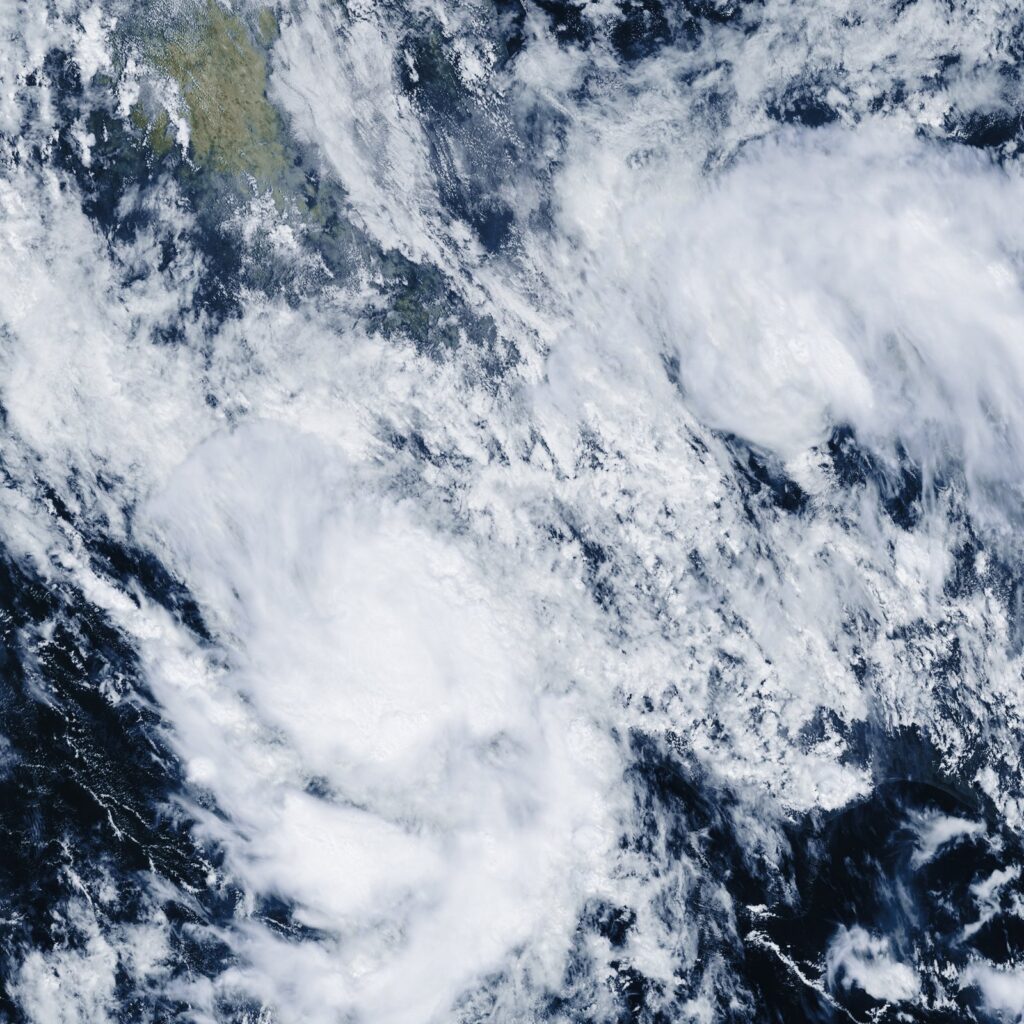
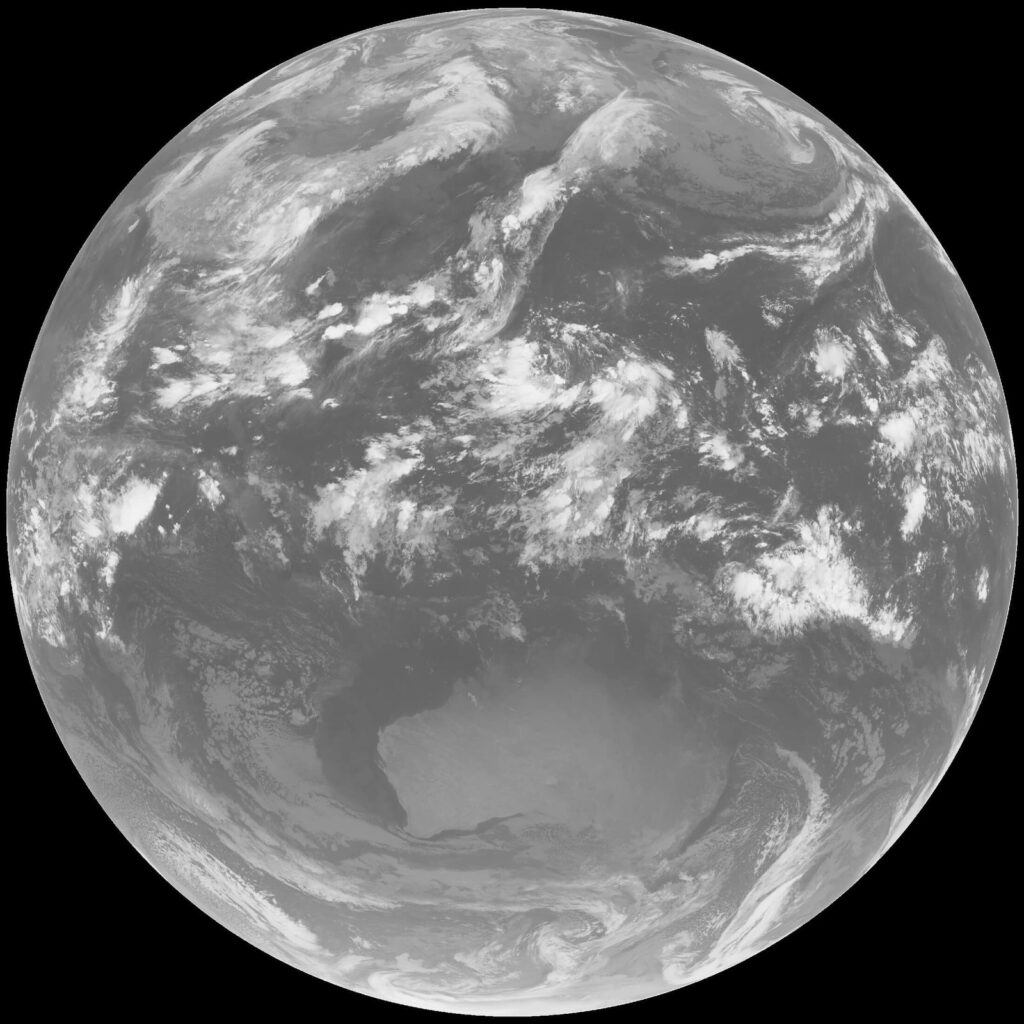
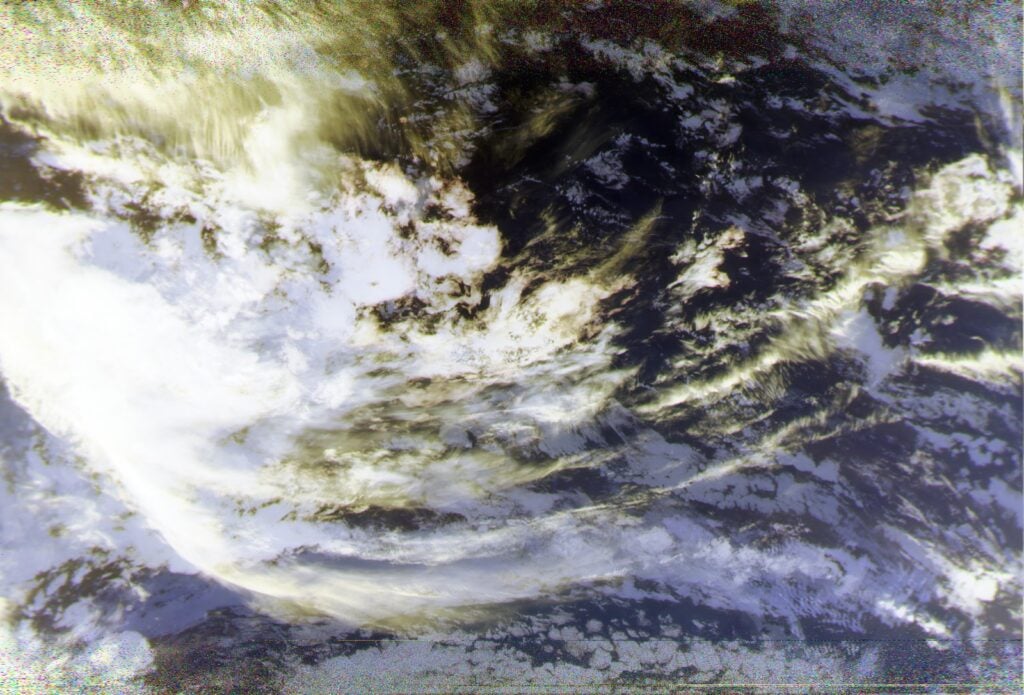
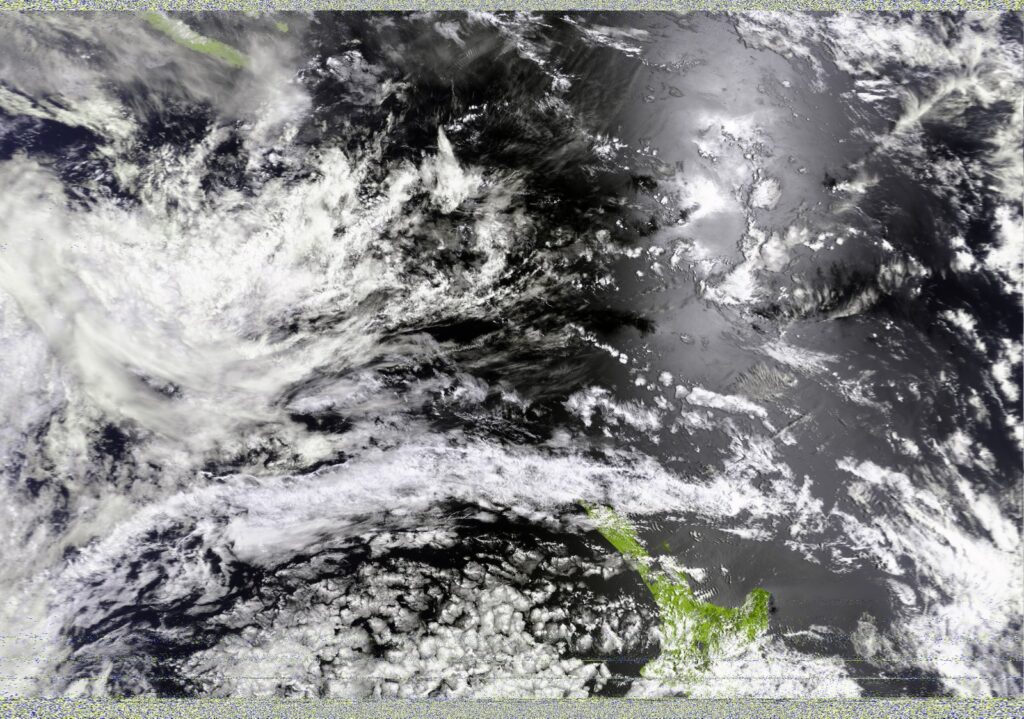
Some people have asked for high resolution examples of what can be received from satellites with the Discovery Dish. Below are a few samples.

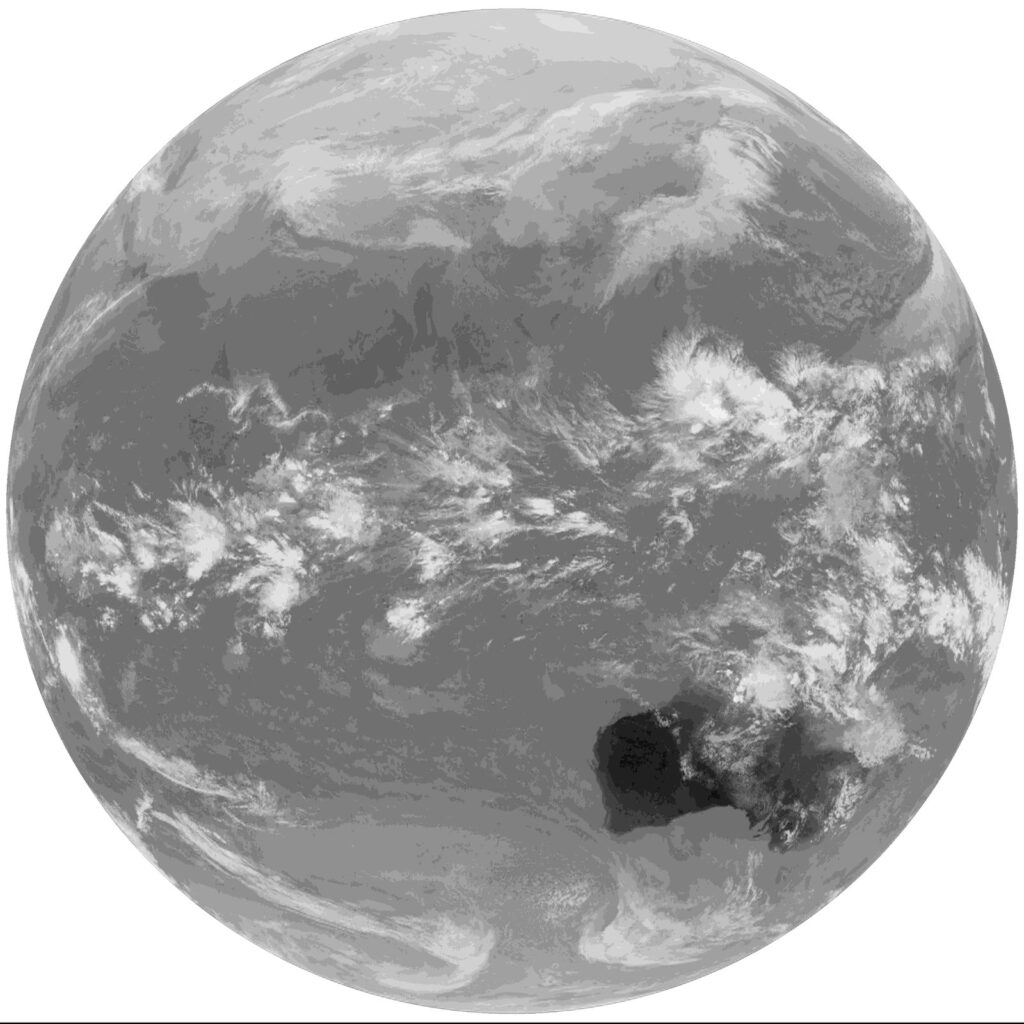
GOES 18 Full Disk

Discovery Dish GOES 18 Full Disk Blend


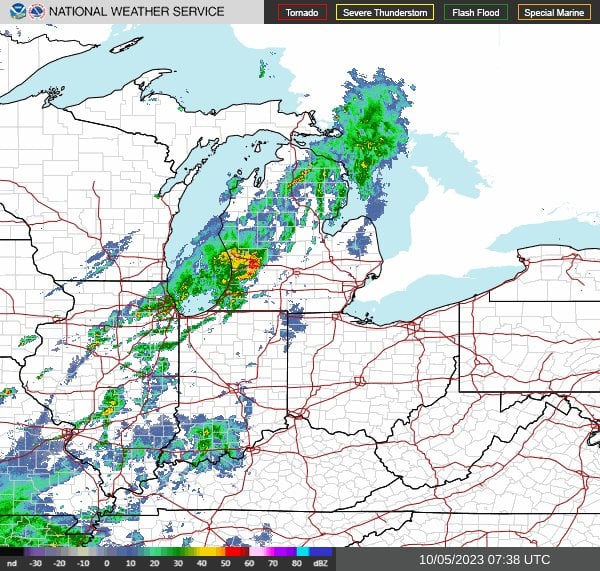
GOES 18 Mesoscale

GOES 18 EMWINN

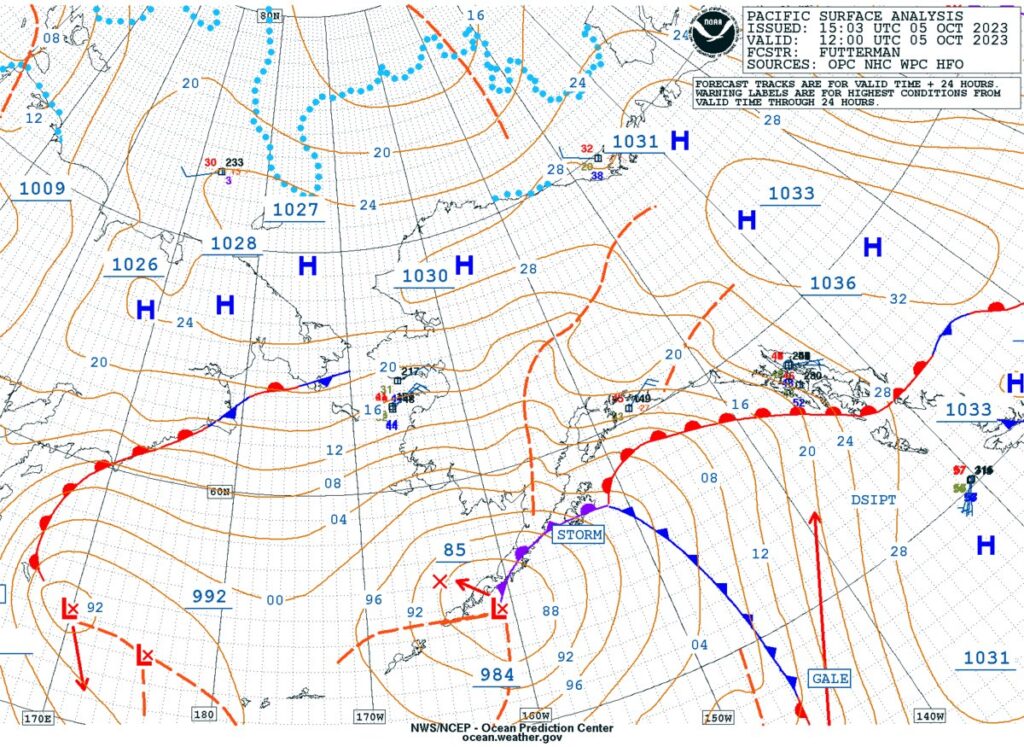
GOES 18 NWS

Metop AVHRR (Advanced Very High Resolution Radiometer)

Metop IASI (Infrared Atmospheric Sounding Interferometer)

GK-2A Full Disk

FengYun 4A Full Disk

Meteor MSU-MR (Multispectral Scanner Unit - Medium Resolution)

NOAA AVHRR (Advanced Very High Resolution Radiometer)

Crowdfunding Goals

We just wanted to clarify a point regarding how crowdfunding works. If the goal isn’t reached then everyone who ordered won’t be charged. We have had a few concerns from potential customers wondering if we will keep the money if the goal isn’t reached, but this is certainly not the case! In fact, credit cards will only be charged if we hit our funding goal. You can learn more in the Crowd Supply Guide.

The goal is set relatively high as this product requires a number of molds to be created for the dish and the various plastic parts, and molds typically have a high fixed initial cost. There is also a high minimum order quantity that we need to commit to in order to do a production run.

But the campaign is currently over 70% to its funding goal and we are expecting some large reseller orders to come in during the last few days of the campaign, so please don’t worry as the goal will almost certainly be reached with the help of just a few more individual supporters. If you have been on the edge, please consider supporting us to get this product started!

Customer Questions

In my environment temperatures get down to -20 to -30 degrees C. Will the electronics in the feed hold up?

The components used in the feed all have ratings down to at least -40 degrees C. In very cold environments, the one thing we would suggest considering is if a dish heater is required. These are heating strips that can be placed on the dish and can help melt snow/ice buildup.

What is the hole pattern on the dish?

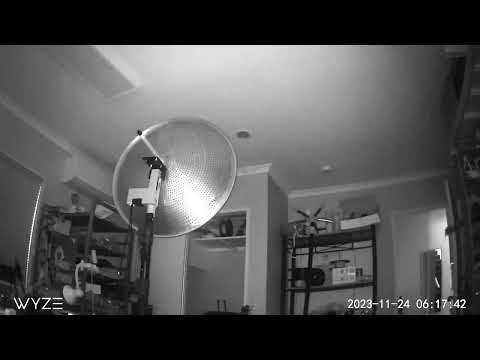
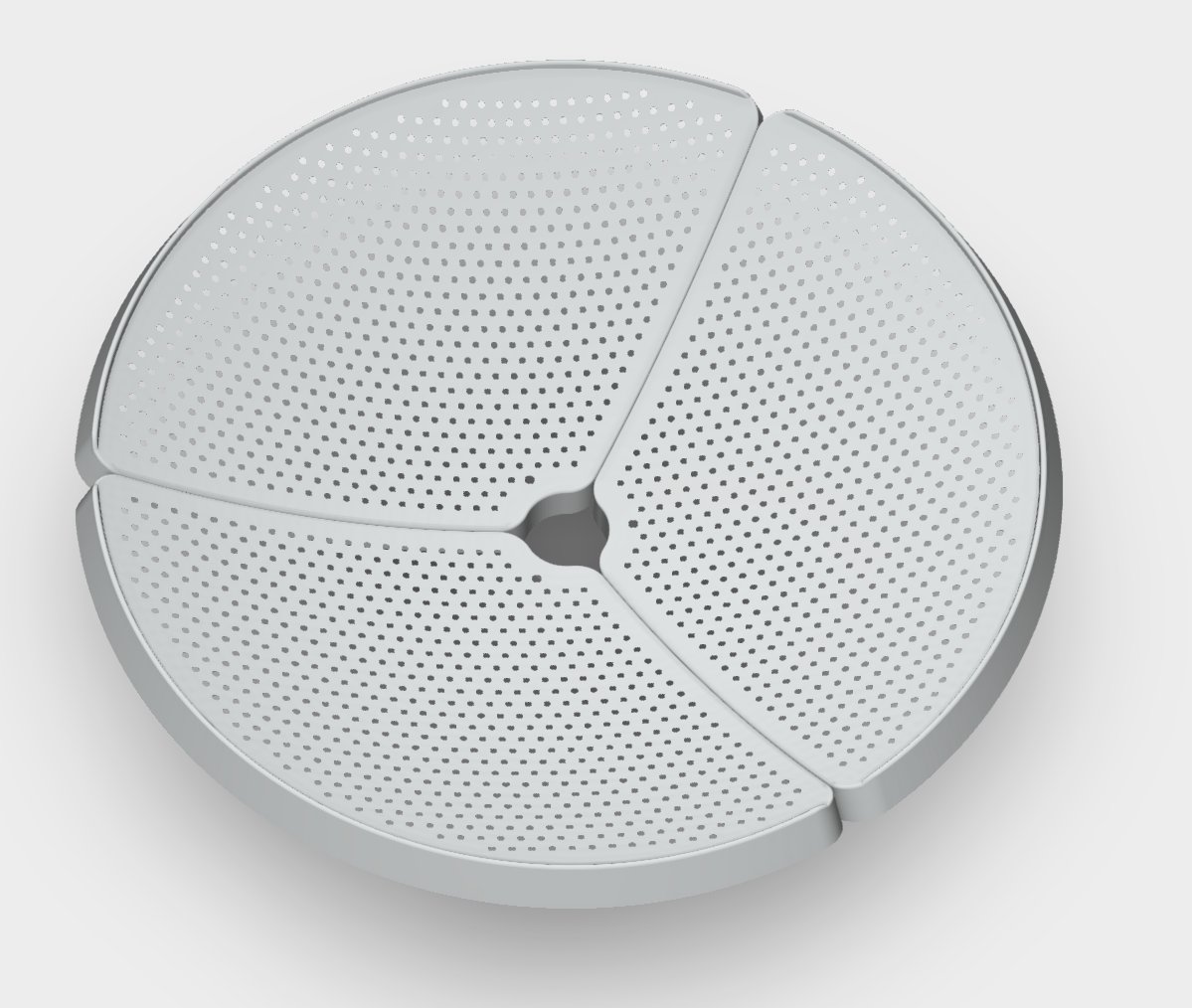
The hole pattern on the dish has no specific function, the holes are simply used for reducing wind loading and weight. The manufacture of the prototype dish requires that the holes be cut by laser cutter, but the laser cutter we have available was not large enough to do the entire dish at once. So it was manually rotated around, and this caused an uneven pattern.

The production version of the dish will split into three petals, and each petal will be manufactured via a stamping process. Stamping is when a sheet of metal is placed under a heavy molded block of metal, and then that block of metal is pressed down on the sheet metal to create a desired shape. With this stamping process we will have perfectly neat hole patterns.

I suggest that the S-band version of the feed not use a downconverter, and just use an SDR that can receive S-band instead.

We currently have a similar opinion.

To explain this customer question/comment, we note that as mentioned in the previous update, we are planning to soon test an S-band version of the feed which should be able to receive S-band satellites.

However, the typical software defined radio used is an RTL-SDR, which cannot reach S-band frequencies like 2.2 GHz where most S-band satellites transmit. To get around this, we could add downconversion circuitry to the S-band feed, which would increase complexity and cost. This would convert the 2.2 GHz frequencies down to a frequency that the RTL-SDR can receive (below 1.766 GHz). Alternatively, we could simply recommend that customers interested in S-band reception instead use another SDR such as the HackRF, PlutoSDR, or LimeSDR Mini 2.0.

Once we have tested the S-band version of the feed, we will make a decision on if we should add a downconverter or just recommend the use of other SDRs that can reach the S-band.

Can any of the feeds be used for 1296 MHz EME (earth-moon-earth bounce communications)?

Sorry no, the feeds will not be suitable for EME, as that requires transmission which our feeds do not support.

I would like to use the dish on an astronomical mount. What is the expected weight of the dish and feed?

The dish itself weighs less than 1 kg (2.2 lbs). Together with the feed and mount we expect it to weigh a total of less than 1.5 kg. This is significantly lighter than a Wi-Fi dish which is already 1.6 - 2 kg (depending on the brand) for just the dish by itself.

Are weather satellites encrypted?

No, most weather satellites like this are not encrypted. Although these satellites come from various countries’ governmental space and/or military agencies, weather satellite data is generally considered public science. If it’s not necessary, adding encryption is undesired as it adds complexity to the system and increases the amount of data that needs to be transferred.

Obviously high-end military and commercial satellites are encrypted and we cannot receive data from those. It’s possible that future weather satellites could be encrypted, but given the current trend of new weather satellites being unencrypted this seems unlikely.


A 3D Printed RTL-SDR Whip Antenna Mount

Thank you to Adrian for submitting to us his new 3D printed design that holds up a whip antenna connected to an RTL-SDR. Adrian writes:

Telescopic antennas attached to RTL-SDR dongles tend to tip over. This mount holds them straight. The supplied .stl files match antenna diameters of 6 to 8 mm. Mounts with other diameters are easily obtained by modifying the supplied OpenSCAD file, see instructions below [on the Thingiverse page].

This is an alternative to or even an improvement over my previous designs
https://www.thingiverse.com/thing:6183925
https://www.thingiverse.com/thing:6057513

Adrian's RTL-SDR Whip Antenna Holder

Tech Minds: Make your own Aircraft Tracking Antenna with RTL-SDR

Over on the Tech Minds YouTube channel Matt has posted a video tutorial that shows how to build a cheap quarter wave ground plane antenna tuned for 1090 MHz. This is the frequency of ADS-B (Automatic Dependent Surveillance–Broadcast), which is a signal broadcast by aircraft that can be used to track their GPS location.

The antenna is created from an SMA chassis mount socket, one copper wire for the receiving element, and four copper wires for the ground plane. They are soldered directly onto the socket. An LNA is added to improve reception.

Make Your Own Aircraft Tracking Antenna With RTL SDR